

Berberine Benefits: A Physician’s Honest Take on “Nature’s Ozempic”
A patient recently arrived at my office with a new supplement on his shelf. He’d uploaded his lab results to ChatGPT, and the AI suggested berberine would help his glucose numbers. He’d started taking it without telling me.
When I asked, “Why berberine?” he shrugged.
“ChatGPT said it would help,” he said.
I admitted I hadn’t researched it in depth, then promised I’d look into it. Apparently, berberine has become a social media phenomenon, marketed as “Nature’s Ozempic” and sold as a cheap, plant-based alternative to prescription medications. Making safe choices with supplements means looking past the marketing claims to the actual data.
Here’s what the evidence shows about berberine benefits, where the marketing outpaces the science, and how I’d approach the question in clinic.
What Is Berberine?
Berberine is a natural alkaloid compound found in plants like goldenseal, barberry, and goldthread. Traditional Chinese medicine has used it for centuries to treat gastrointestinal infections.
The current marketing isn’t selling berberine for GI infections. It’s being pitched for metabolic disease, blood sugar control, and weight loss. The pivot from ancient antimicrobial to modern metabolic supplements is a recent development, as is the supporting research.
One caveat shapes how I read every berberine study: most of the data comes out of China. Until we have randomized, placebo-controlled trials in American patient populations, generalizing those findings to my panel of patients requires caution.
How Berberine Works
Berberine acts on multiple pathways, but one mechanism that drives many of the metabolic effects: AMPK activation. AMPK is a cellular energy sensor that, when activated, tells your cells to take up more glucose and burn more fat.
Through AMPK and related pathways, berberine increases GLUT4 expression. GLUT4 is the channel that moves glucose from your bloodstream into muscle and fat cells. More channels means more glucose clearance from circulation.
On the liver side, berberine upregulates LDL receptors. Your liver pulls LDL out of circulation through these receptors, so adding more of them lowers your blood LDL. Berberine suppresses PCSK9, an enzyme that breaks down those same LDL receptors, by a separate pathway.
The combined effect of berberine on glucose and cholesterol pathways accounts for most of the metabolic effects observed in trials. Patients tracking their numbers with continuous glucose monitoring can sometimes see supplement effects in real time.
Berberine Benefits for Blood Sugar
The strongest evidence for berberine benefits lies in glucose management. A 2023 meta-analysis of 20 randomized controlled trials found that berberine lowered A1C by about 0.4%, fasting insulin by 2.36, and improved HOMA-IR by 0.85 compared to placebo. A 2024 meta-analysis confirmed these findings, with greater effects in women and patients with established diabetes versus prediabetes.
Patients often ask whether berberine could replace metformin. The mechanisms overlap through AMPK activation, so the question is fair.
A small 2008 study from China randomized 36 patients with newly diagnosed type 2 diabetes to either metformin or berberine, both at 0.5 grams three times daily. After three months, both groups dropped their A1C from 9.5% to roughly 7.5%.
That study had clear limitations: small size, no placebo control, open-label design, and a Chinese population that may not generalize to American patients. A more recent 2025 JAMA paper reported on a modified compound, berberine ursodeoxycholate, with improved bioavailability. In 113 patients over 12 weeks, the compound dropped A1C by about 1%, roughly matching what metformin achieves.
Berberine benefits for blood sugar are real and reproducible, but the currently available supplement isn’t a replacement for metformin. The compound in the JAMA study isn’t what you’d buy off Amazon. Patients hoping to lower their A1C naturally will get more benefit from diet, exercise, and weight loss than from any current supplement, including berberine.
Berberine Benefits for Cholesterol
After glucose, the next strongest evidence for berberine lies in lipid management. A 2023 review of 18 randomized controlled trials found berberine reduced LDL by about 17.8 mg/dL and ApoB by about 25 mg/dL.
These are modest reductions, likely real and reproducible, though they don’t match those from a statin. A high-intensity statin reduces LDL by 50% to 60%.
For patients who can’t tolerate statins or want add-on therapy to push their numbers lower, berberine benefits for cholesterol can serve as a useful supplement to guideline care. Knowing your non-HDL cholesterol number matters more than LDL alone for tracking cardiovascular risk, especially when comparing baseline values to post-treatment results.
Berberine Benefits for Colorectal Cancer Prevention
One additional but intriguing finding sits outside the metabolic space. Researchers studying patients with a history of colorectal adenomas, the precancerous polyps removed during colonoscopy, wanted to know if berberine could reduce recurrence.
The research on berberine and colorectal adenoma prevention suggested that berberine reduced adenoma recurrence in patients who’d undergone previous polypectomies. The effect was modest but worth noting for high-risk patients.
For patients with a strong family history of colorectal cancer or recurring polyps, this finding is worth flagging in conversation with your physician. Berberine’s cancer-prevention signal is preliminary, but the early colorectal adenoma reduction data is worth tracking. It fits into a broader framework for reducing cancer risk that includes screening, lifestyle, and family history review.
Berberine Side Effects and Drug Interactions
The most common berberine side effects are gastrointestinal: constipation, diarrhea, nausea, and abdominal pain. In randomized trials, these symptoms occurred in 2% to 23% of patients taking berberine compared to 2% to 15% on placebo. The overlap is meaningful, which means some of those side effects show up regardless of the supplement.
Long-term safety data doesn’t exist. People in China have used berberine for centuries, but there’s no rigorous data on what happens when you take a specific dose for years.
The more serious issue is drug interactions. Berberine inhibits enzymes that process other pharmaceutical drugs, including certain statins, blood pressure medications, and SSRIs. The hidden risks in regular NSAID use follow the same logic: a familiar over-the-counter product that can cause real harm through interactions.
In some cases, the interaction is an absolute contraindication. In others, it requires monitoring and dose adjustment. Talk to your doctor before adding berberine to your medication regimen.
How to Approach Berberine Benefits Safely
If you’re considering berberine after this rundown, here’s how I’d think about it. The dose studied in most trials is 1,000 mg per day, taken as 500 mg twice daily. Stick to that range; higher doses don’t confer additional benefit and increase the risk of side effects.
Choose a brand with third-party verification. USP and NSF are the two major certifiers I look for. The supplement industry doesn’t undergo the same regulatory scrutiny as prescription drugs, so verification is your safeguard against contamination, mislabeling, and inactive product.
Berberine isn’t going to replace prescription therapy for diabetes, dyslipidemia, fatty liver disease, or obesity. The currently available data doesn’t support that swap. Berberine benefits work best as an add-on therapy or a bridge for patients who can’t tolerate standard medications.
For patients who lean toward natural alternatives, more education tends to resolve the reluctance. The “Nature’s Ozempic” framing mirrors marketing patterns I’ve seen with other supplement trends. The actual GLP-1 medications driving these comparisons act through different mechanisms and produce different magnitudes of weight loss.
Today’s Takeaways About Berberine Benefits
Berberine is one of the more interesting supplements I’ve researched lately. The data on glucose management is the strongest of the bunch, the lipid effects are modest but real, and the colorectal cancer prevention angle remains preliminary but worth tracking.
It isn’t “Nature’s Ozempic.” The weight-loss data shows a mean reduction of less than 2.2 pounds, which doesn’t compare to GLP-1 medications. Anyone telling you otherwise has a product to sell.
Berberine benefits exist, but they work best as add-on tools within a thoughtful medical plan, supporting prescription therapy and honest lifestyle work rather than replacing them. If you’re curious about adding berberine to your regimen, talk to your physician first about drug interactions and whether it fits your situation. Our team is happy to walk through the data with you and figure out whether this supplement makes sense alongside your existing care plan.


Does Cooking Destroy Nutrients? Here’s What the Science Says
Patients ask me all the time whether they’re better off eating vegetables raw or cooked. It doesn’t matter as much as you’d expect.
The single highest-leverage habit you can build is eating more vegetables and eating a greater variety of them. As I discussed in my recent post on prebiotic supplements and fiber, most of my patients aren’t getting anywhere near enough plant diversity in their diets. I’d rather see you eat a cooked vegetable than skip it entirely.
Cook them, eat them raw, sauté them: whatever compels you to eat more of them is the right approach.
That said, does cooking destroy nutrients? Yes, to a degree. The science behind how heat denatures beneficial compounds in food is worth knowing, especially if you want to squeeze more nutritional value out of every meal.
What Happens When Heat Denatures Beneficial Compounds in Food
When you heat food, you’re adding kinetic energy. That energy breaks the bonds holding together complex biological structures within the food’s compounds. The biological activity of these compounds often depends on their intact structure; once heat disrupts that scaffolding, the compound can become less active or entirely inactive.
Water-soluble vitamins face a double threat. Heat degrades them directly, and cooking in water causes them to leach from the food into the liquid. Unless you’re making a soup or stew where you’ll consume that cooking liquid, those nutrients disappear down the drain.
Consider carrots. If you steam them in the microwave submerged in water and then discard the liquid, you’re losing a large portion of their water-soluble vitamins. The same applies to any vegetable cooked in water you don’t consume.
Which Nutrients Does Cooking Destroy First?
Not all nutrients break down at the same rate. A clear hierarchy of heat sensitivity exists, and knowing it helps explain why certain cooking methods matter more than others.
Vitamin C tops the list as the most heat-sensitive vitamin. Cooking can destroy anywhere from 50% to 80% of a vegetable’s vitamin C content. That makes raw preparations particularly valuable for vitamin C-rich foods like bell peppers and broccoli.
Polyphenols and B vitamins (B1 in particular) rank next. These compounds break down readily under heat exposure, and B vitamins’ water-soluble nature means they leach out during boiling or simmering.
Fat-soluble vitamins (A, D, E, and K) degrade through a slightly different process. Heat generates free radicals that attack conjugated double bonds in these vitamins, breaking them into inactive fragments. The mechanism differs, but the result is the same: less active nutrient content.
Omega-3 fatty acids are fairly heat-sensitive as well. If you’re interested in how omega-3s function in the body and why they matter for cardiovascular health, Dr. Rotman has written about the topic in his post on fish oil supplementation.
Proteins and fats round out the hierarchy. They’re the most heat-stable macronutrients, but prolonged cooking at high temperatures still degrades them.
Prep Tricks That Preserve Nutrition
Cooking can destroy nutrients, but how you prepare vegetables before they hit the heat makes a measurable difference in their nutritional profile.
Chop Your Garlic Early
When you chop garlic, the mechanical breakdown of cell walls activates an enzyme called alliinase. That enzyme converts alliin to allicin, the compound responsible for garlic’s cardiovascular, antimicrobial, and cancer risk reduction benefits. Swallowing a whole cooked clove delivers a very different nutritional profile than eating a chopped clove that sat for five to 10 minutes before cooking.
Chop your garlic first when prepping a meal. Let it rest for five to 10 minutes before it hits the pan. If you’re making a pasta sauce, resist the urge to toss in whole cloves; chop them and mix them throughout.
Chop Cruciferous Vegetables and Let Them Sit
Broccoli and other cruciferous vegetables follow a similar principle with a different enzyme. Chopping activates myrosinase, which converts glucoraphanin into sulforaphane, a compound with strong anti-cancer properties. The catch: myrosinase itself isn’t heat-stable, but the sulforaphane it produces is.
Myrosinase needs enough time to do its work before you cook. Some data suggests chopping broccoli 90 minutes before stir-frying can increase sulforaphane content by 2.8-fold. That’s not exactly practical when you’re cooking dinner for a family, but even 30 minutes helps.
Make cruciferous vegetables the first item you chop during meal prep, then move on to the rest of your ingredients.
As I discussed in my recent post on growing broccoli sprouts at home, adding raw sprouts to meals is another fast way to boost sulforaphane intake without worrying about heat degradation at all.
One more trick: add mustard powder to cooked cruciferous vegetables. Mustard powder contains myrosinase, so sprinkling it on after cooking restarts the conversion process. It’s a simple way to get more sulforaphane from broccoli, cauliflower, and Brussels sprouts you’ve already cooked.
Chopping as a General Rule
Generally speaking, chopping your vegetables improves their nutritional content. The mechanical breakdown of cell walls releases and activates beneficial compounds across a wide range of produce, not only garlic and broccoli.
When Cooking Boosts Nutritional Value
Heat denatures beneficial compounds in most foods, but for certain compounds, cooking actually increases their bioavailability.
Carotenoids, found in carrots, tomatoes, sweet potatoes, and certain leafy greens, are locked behind tough plant cell walls. Heat breaks down those walls, loosening carotenoid-protein complexes and freeing them for better absorption.
Tomatoes offer the most striking example. Cooked tomatoes deliver two to five times more lycopene than raw tomatoes. Lycopene is a carotenoid with well-documented health benefits.
Eat tomatoes in your salad, absolutely, but add cooked tomatoes to your other meals as well. Whether you choose organic or non-organic varieties, you’ll absorb more lycopene from a cooked tomato than from a raw one.
Carrots and sweet potatoes follow the same pattern. Cooking these root vegetables makes their beta-carotene more accessible to your digestive system.
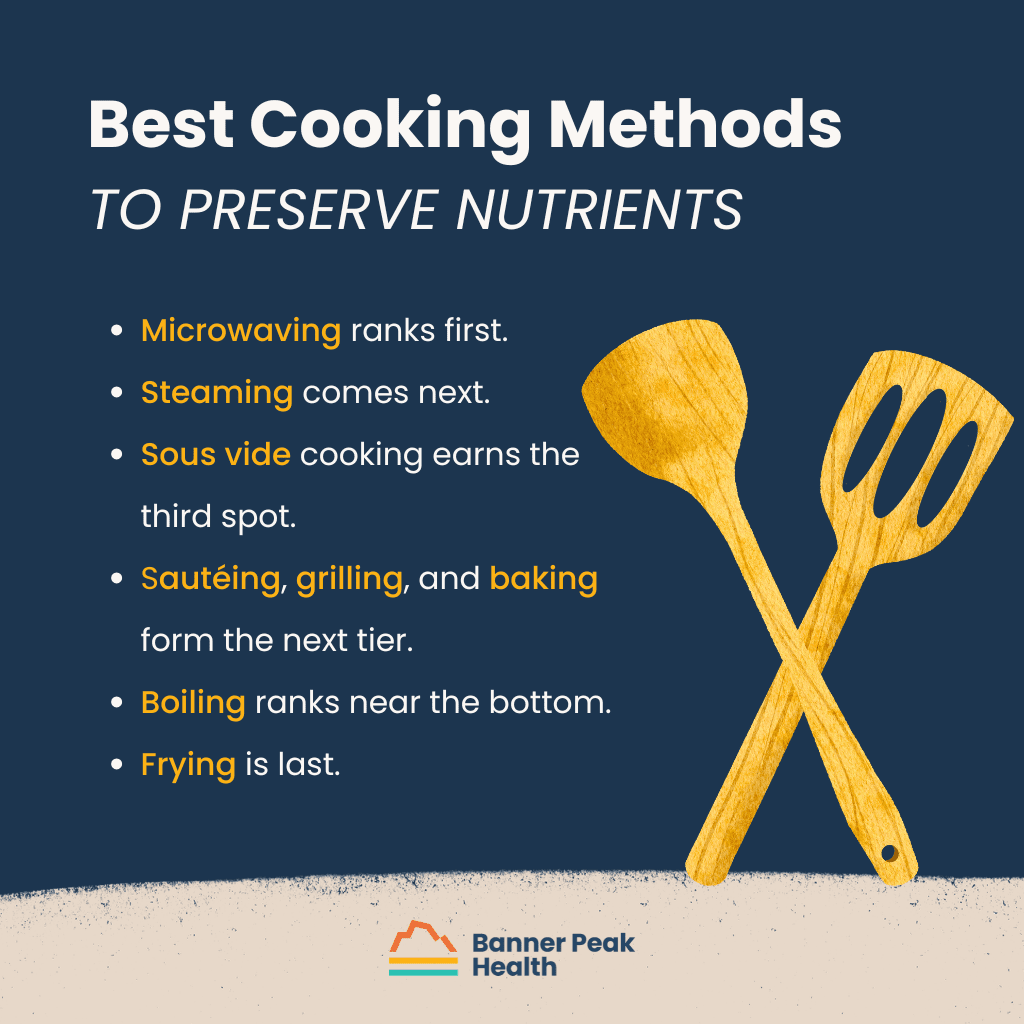
Best Cooking Methods to Preserve Nutrients
Not all cooking methods destroy nutrients equally, and the top-ranked method for preserving them surprises most patients.
Microwaving ranks first. Most people don’t think of the microwave as a health tool, but short cook times and minimal water use make it one of the best ways to preserve nutritional content. Certain vegetables retain up to 90% of their vitamin C when microwaved.
Steaming comes next. It applies indirect heat without submerging vegetables in water, which prevents the leaching problem. If you’re taking a supplement for a specific nutrient, pairing it with properly steamed whole foods helps you cover more nutritional ground.
Sous vide cooking earns the third spot. The lower temperatures and vacuum-sealed environment protect heat-sensitive compounds, even over longer cook times.
Sautéing, grilling, and baking form the next tier. They’re all fine options, but they expose food to higher temperatures and longer cook times than the top three methods.
Boiling ranks near the bottom. High temperatures combined with full water submersion means you lose nutrients to both heat degradation and leaching. The exception: soups and stews where you consume the cooking liquid.
Frying is last. Beyond the nutritional profile concerns, it’s an inferior preparation method for other health reasons. Avoid it when you can.
How to Cook Without Destroying Nutrients
If turning every meal into a science experiment isn’t realistic (and for most of us, it isn’t), a few simple habits keep cooking from destroying nutrients.
Cook to minimal doneness. This is the easiest, most practical change. Heat exposure and time drive nutrient loss.
Keep your sautéed vegetables a bit crunchier. Pull your roasted broccoli a few minutes earlier; the less you cook, the more you retain.
Steam with small amounts of water. You don’t need a traditional steaming basket; a microwave works. Avoid submerging vegetables in water, which leaches water-soluble vitamins.
Eat raw when you can. A side salad, raw snacking vegetables, or chopped produce on top of a cooked dish all contribute to your intake without any heat-related nutrient loss.
Consume your cooking liquids. Pan sauces, soups, and stews capture the water-soluble vitamins that leach out during cooking. If you’re making a stir-fry, use the pan liquid.
Use convection for baking. Convection ovens circulate hot air, which cooks food faster. Less time at high heat means less nutrient degradation. Root vegetables and cruciferous vegetables do particularly well in the oven.
Coat vegetables with a thin layer of olive oil. The oil adds vitamin E and polyphenols back into the meal, partially offsetting some of what heat removes.
Today’s Takeaways
The question “Does cooking destroy nutrients?” has a nuanced answer. Yes, heat denatures beneficial compounds in food, and some nutrients are more vulnerable than others. But the nuance matters far less than the big picture.
Eat more vegetables. Eat a variety of them. Eat them raw and cooked, in every meal if possible.
That single habit will do more for your health than any cooking technique could undo.
Once you’ve built that foundation, the small adjustments, like chopping ahead of time, steaming instead of boiling, and cooking to minimal doneness, add up. They’re the fine-tuning on top of a strong metabolic foundation.
At Banner Peak Health, we work with patients to build sustainable nutrition habits that fit their real lives. If you’d like to discuss how your diet, cooking methods, and nutritional intake fit together, reach out to our team or bring it up at your next visit.
How to Grow Broccoli Sprouts at Home (And Why They’re Worth It)
You don’t need an expansive garden to grow your own food. You need a mason jar, some seeds, water, and about four days of patience.
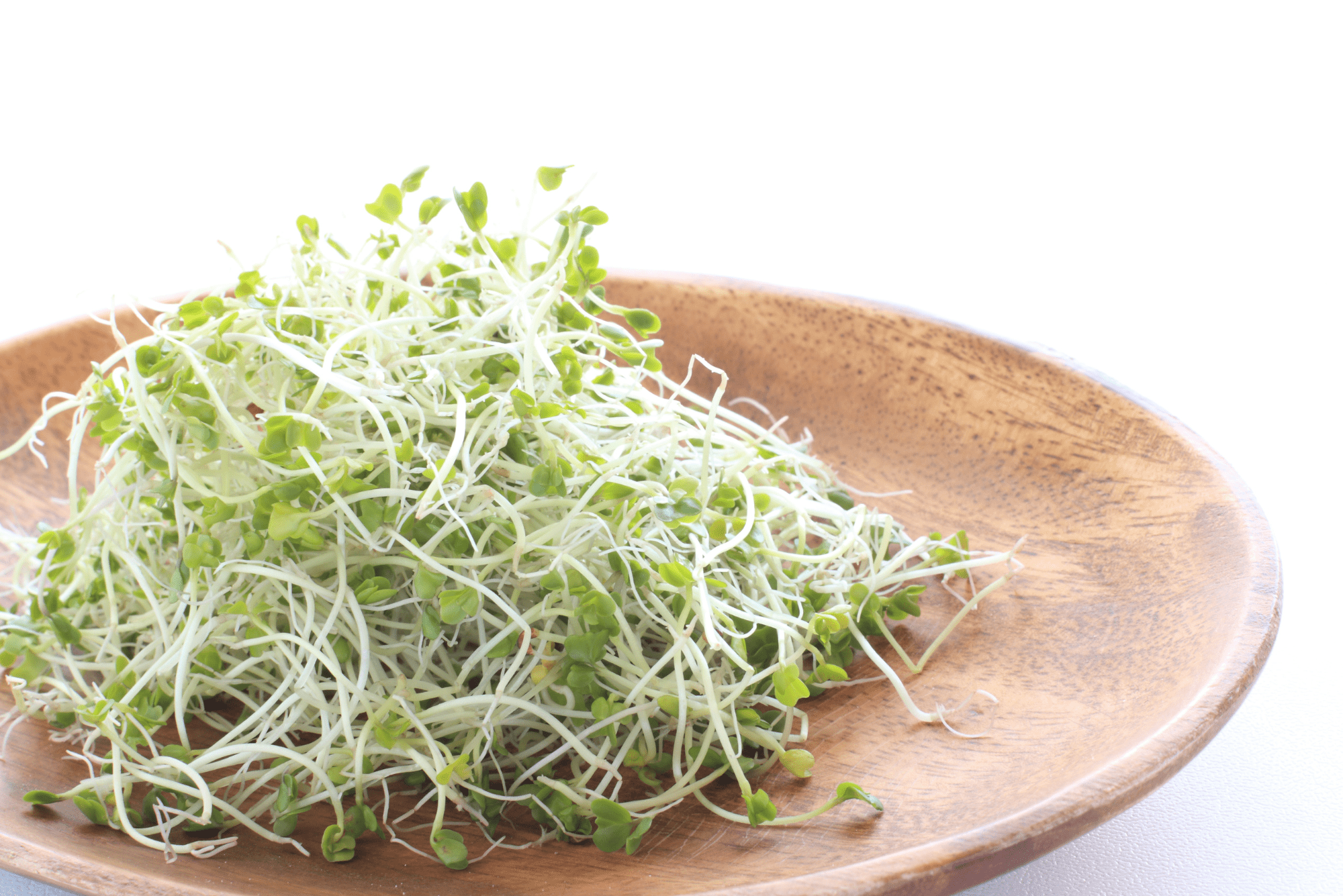
I started growing broccoli sprouts at home a few years ago, and it’s become a regular part of my family’s routine. The process is absurdly simple, the cost is minimal, and the nutritional payoff is enormous. Broccoli sprouts contain 10 to 100 times more sulforaphane, a cancer-fighting compound, than mature broccoli. You’d have to eat an unreasonable amount of adult broccoli to match what a handful of sprouts delivers.
The catch is you can’t easily buy them. Sprouts have a shelf life measured in days, and past contamination outbreaks have pushed most grocery stores to stop carrying them. Learning how to grow broccoli sprouts at home is the most reliable way to get this nutrient-dense food into your diet.
What Sprouting Actually Is
Sprouting is the process of turning a seed into a young plant. When you soak a seed in water, it begins to germinate, activating enzymes and metabolic processes that fuel growth. Those same enzymes dramatically alter the seed’s nutritional profile.
The germination process increases bioactive compounds, improves nutrient bioavailability, and makes the seed more digestible. The result is higher levels of vitamins, minerals, amino acids, and phytonutrients than you’d find in either the dry seed or the fully mature plant.
Sprouted foods carry anti-inflammatory, anti-diabetic, and anti-cancer properties. They increase fiber content and act as a prebiotic for your gut microbiome. Once you learn how to grow broccoli sprouts at home, you can capture the full benefit of that enzymatic burst from seed to plate.
Why Broccoli Sprouts Stand Out
Sulforaphane is a compound found only in cruciferous vegetables, and broccoli sprouts contain it in concentrations that dwarf what you’d find in mature broccoli, anywhere from 10 to 100 times higher.
Sulforaphane activates a cellular defense pathway called NRF2 (nuclear factor erythroid 2-related factor 2). This pathway regulates the body’s response to oxidative stress and carcinogens.
The mechanisms are striking: Sulforaphane inhibits enzymes that promote cancer formation, activates detoxifying enzymes that help eliminate carcinogens, triggers apoptosis (the self-destruct signal cells receive when they’re no longer healthy), and prevents angiogenesis (the growth of new blood vessels that tumors need to fuel their expansion).
These aren’t theoretical benefits from massive supplement doses; they come from a food you can grow on your kitchen counter in less than a week. For patients considering their long-term cancer prevention plan, broccoli sprouts are among the most accessible interventions I recommend.
Why You Need to Grow Broccoli Sprouts at Home
Some specialty and organic stores carry sprouts, but most mainstream grocers don’t. The reason comes down to shelf life and food safety.
Fresh sprouts last about a week under ideal conditions. By the time a producer grows them, packages them, ships them to a distribution center, and gets them onto a retail shelf, most of that window has closed.
The germination process itself requires warm, humid, moist conditions, the same environment that encourages bacterial growth. Past outbreaks of E. coli and Salmonella linked to commercially produced sprouts (Jimmy John’s famously scaled back their sprout offerings for this reason) have made retailers reluctant to carry the product.
Growing broccoli sprouts at home eliminates the supply chain risk and puts you in control of freshness and handling. If you’re already conscious of what goes into your food, home sprouting is the logical next step.
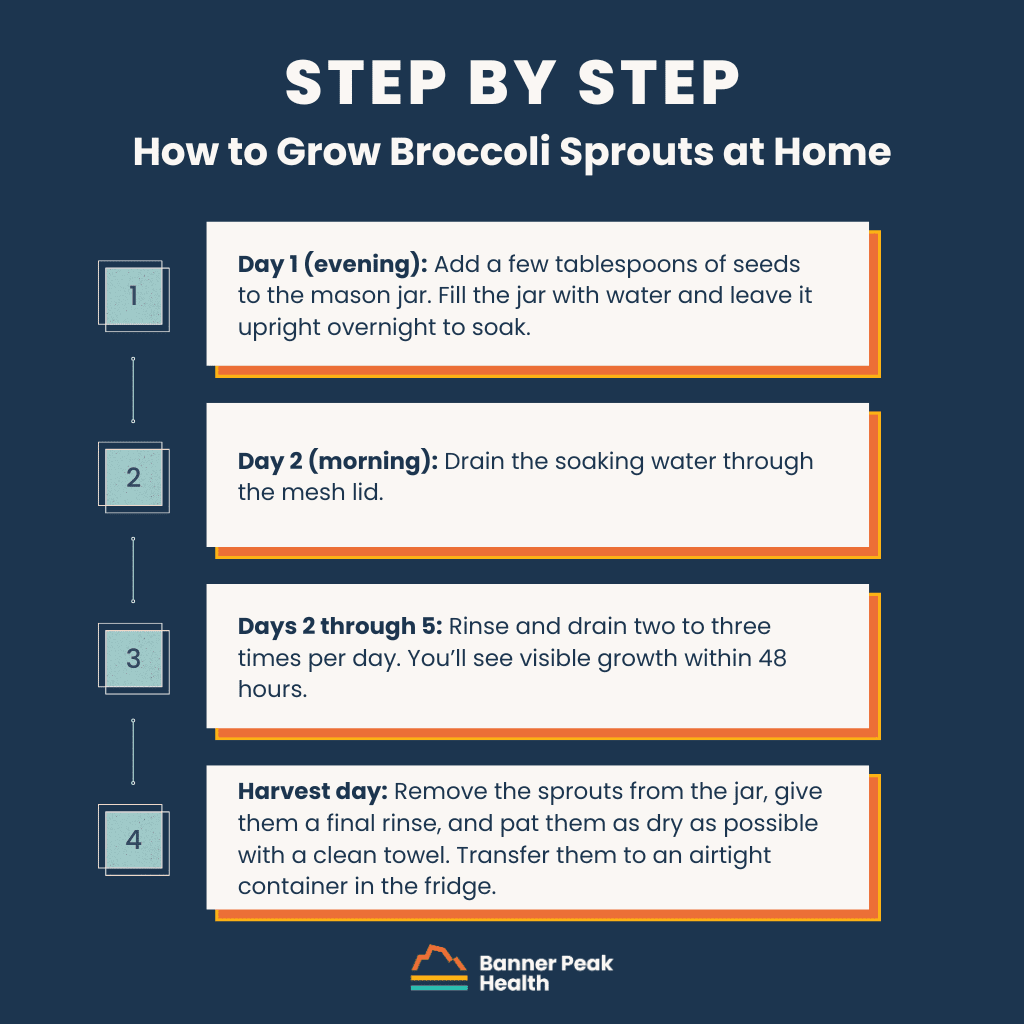
How to Grow Broccoli Sprouts at Home: Step by Step
The equipment costs about $20 and fits on a kitchen counter. You’ll need a sprouting kit with mason jars (metal mesh lids and an angled stand for draining) and organic sprouting seeds. Make sure the seeds are certified organic and labeled for sprouting, so they’re free of preservatives and contaminants.
Day 1 (evening): Add a few tablespoons of seeds to the mason jar. Fill the jar with water and leave it upright overnight to soak.
Day 2 (morning): Drain the soaking water through the mesh lid. Rinse the seeds with fresh water, drain again, and place the jar on the angled stand so it continues to drain and air can circulate. Airflow matters; stagnant moisture invites mold and bacteria.
Days 2 through 5: Rinse and drain two to three times per day. You’ll see visible growth within 48 hours. Broccoli sprouts are typically ready by day four or five.
Harvest day: Remove the sprouts from the jar, give them a final rinse, and pat them as dry as possible with a clean towel. Transfer them to an airtight container in the fridge. They’ll keep for about a week.
That’s it. The entire process of learning how to grow broccoli sprouts at home takes one cycle to master.
I’ve found it’s a great activity for kids, too. My children loved watching the seeds fill the jar in under a week, a much faster payoff than waiting months for a garden vegetable. Add the rinse cycle to your morning routine right alongside making your morning coffee.
Other Seeds You Can Sprout (and One to Avoid)
Most seeds can be sprouted. In my house, we rotate through broccoli, alfalfa, chickpea, and lentil sprouts. Mung beans and kale sprouts are popular options, too.
You can buy mixed sprouting seed blends for variety.
The nutritional upgrade applies across the board. Sprouting increases the vitamin and mineral content of virtually any seed. Even foods you already eat, like quinoa, become more nutritious when sprouted before cooking.
Ezekiel bread is a familiar example of this principle in action: It’s made entirely from sprouted grains with no flour, which is why it contains more fiber and protein than conventional bread. If you’re paying attention to your metabolic health and hemoglobin A1C levels, sprouted grains are a smart swap.
One exception: Don’t sprout raw kidney beans. They can produce digestive toxins during germination that cause GI distress.
Today’s Takeaways
Knowing how to grow broccoli sprouts at home is one of the simplest, cheapest ways to add a superfood to your daily meals. Toss them on sandwiches and salads, or blend them into smoothies if the flavor is too strong on its own (my kids don’t notice them in a fruit smoothie with spinach).
Learning how to grow broccoli sprouts at home requires no gardening skill, no special space, and less than five minutes of daily attention. A $20 kit and a bag of organic seeds get you started this week. For a food that delivers 10 to 100 times the sulforaphane of mature broccoli, the return on investment is hard to beat.
At Banner Peak Health, we’re always looking for accessible, evidence-based ways to improve what our patients eat and how they feel. If you’d like to talk through dietary changes that fit your health goals, contact us to schedule a visit.
A Physician’s Guide to Prebiotic Supplements: What the Science Says
The supplement aisle at your local pharmacy is overwhelming. Rows of bottles promise gut health, better digestion, and improved immunity. How do you separate science from marketing hype?
I’ve spent years studying prebiotic supplements. At Banner Peak Health, we take a personalized, evidence-based approach to them. Let me walk you through what we’ve learned.
What Are Prebiotics?
The technical definition: Prebiotics are non-digestible dietary components that resist digestion throughout the small intestine and reach the colon, where they serve as a substrate for fermentation by gut microbes.
The simple version: Prebiotics are food for the bacteria in your gut.
Prebiotics don’t feed all bacteria equally. They selectively nourish the healthier, anti-inflammatory types, including Lactobacillus and Bifidobacterium.
These bacteria have the genetic makeup to process prebiotic compounds. When you consume prebiotics, you’re choosing which bacterial populations get stronger.
Common prebiotic compounds include inulin (found in onions, garlic, and asparagus), fructooligosaccharides (similar food sources), galactooligosaccharides (found in legumes), and pectin (found in apples and pears). If you’re eating fiber, you’re eating prebiotics.
Prebiotics for Gut Health vs. Probiotics
Patients often confuse these two terms, so let me clarify.
Probiotics are live microorganisms you consume directly, either in supplement form or through foods like yogurt, kimchi, miso, tempeh, and kefir. You’re swallowing the actual bacteria.
Prebiotics support the healthy bacterial populations already living in your gut. Probiotics are the guests you’re inviting to dinner, while prebiotics are the meal you’re serving to the guests already at the table.
Both have their place in a gut health strategy. Prebiotics for gut health work by feeding the good bacteria, which then produce beneficial compounds called short-chain fatty acids. This is where the health benefits begin.
The Science Behind Prebiotics for Gut Health
When your gut bacteria ferment prebiotic fiber, they produce short-chain fatty acids (SCFAs), primarily acetate, butyrate, and propionate. These compounds have wide-ranging health benefits.
Your gut lining is a barrier between intestinal contents and your bloodstream. A healthy barrier keeps nutrients in and pathogens out.
When this barrier breaks down (sometimes called “leaky gut” or dysbiosis), microbial compounds, such as lipopolysaccharides, can leak into circulation. This triggers inappropriate immune activation and chronic inflammation.
SCFAs strengthen this intestinal barrier. They also modulate immune response, improve stool consistency and frequency, support glucose management, and improve lipid profiles. Emerging research suggests they may support mood and cognitive function, though that evidence isn’t as strong yet.
SCFAs increase calcium absorption and may help decrease bone turnover markers in post-menopausal women. Studies show increased activity of osteoblasts (bone-building cells) in animal models.
The flip side is equally revealing. When researchers examine patients with systemic disorders, they consistently find dysbiosis. Type 1 diabetes, multiple sclerosis, rheumatoid arthritis, celiac disease, lupus, IBS, Crohn’s disease, inflammatory bowel disease, obesity, and liver cirrhosis all reflect disrupted gut microbiomes.
This doesn’t prove causation, but the pattern is clear: A balanced gut microbiome correlates with better health outcomes across the board.
Finding High-Quality Prebiotic Supplements
The supplement industry isn’t regulated like pharmaceuticals. Product quality differs between brands.
I look for third-party verification from organizations such as USP, NSF, or ConsumerLab. This testing confirms the product contains what the label claims and isn’t contaminated with harmful substances. It’s not always possible to find verified products, but that’s my starting point.
Most Americans consume only 10–15 grams of fiber daily. The goal is 30 grams or higher; I often aim for 40–50 grams with my patients. This gap is where prebiotic supplements become useful.
How to Test Prebiotic Supplements
A proper experiment requires a protocol. Here’s the approach I recommend:
Start with your goals. Talk to your doctor about what you’re trying to accomplish. Are you dealing with constipation? Looking to support metabolic health? Your goals determine which prebiotic supplement makes the most sense.
Start low, go slow. Your gut microbiome can change rapidly, but you don’t want to shock your system. Gradually increase your intake over several weeks.
Be consistent. Three to four weeks of regular use is the minimum trial period. You want to consistently feed those good gut microbes so they can flourish and produce downstream health benefits.
Monitor for side effects. Bloating, diarrhea, and flatulence are common when introducing fiber. Some products cause fewer side effects than others.
Track your results. If you’re dealing with constipation, you’ll notice improved bowel regularity and more complete bowel movements. You’ll spend less time on the toilet and feel less bloated.
For patients with more complex issues, we’ve explored microbiome testing kits. We’re not high on them for everyone, but they can be relevant tools for certain cases.
Food First, GI Supplements Second
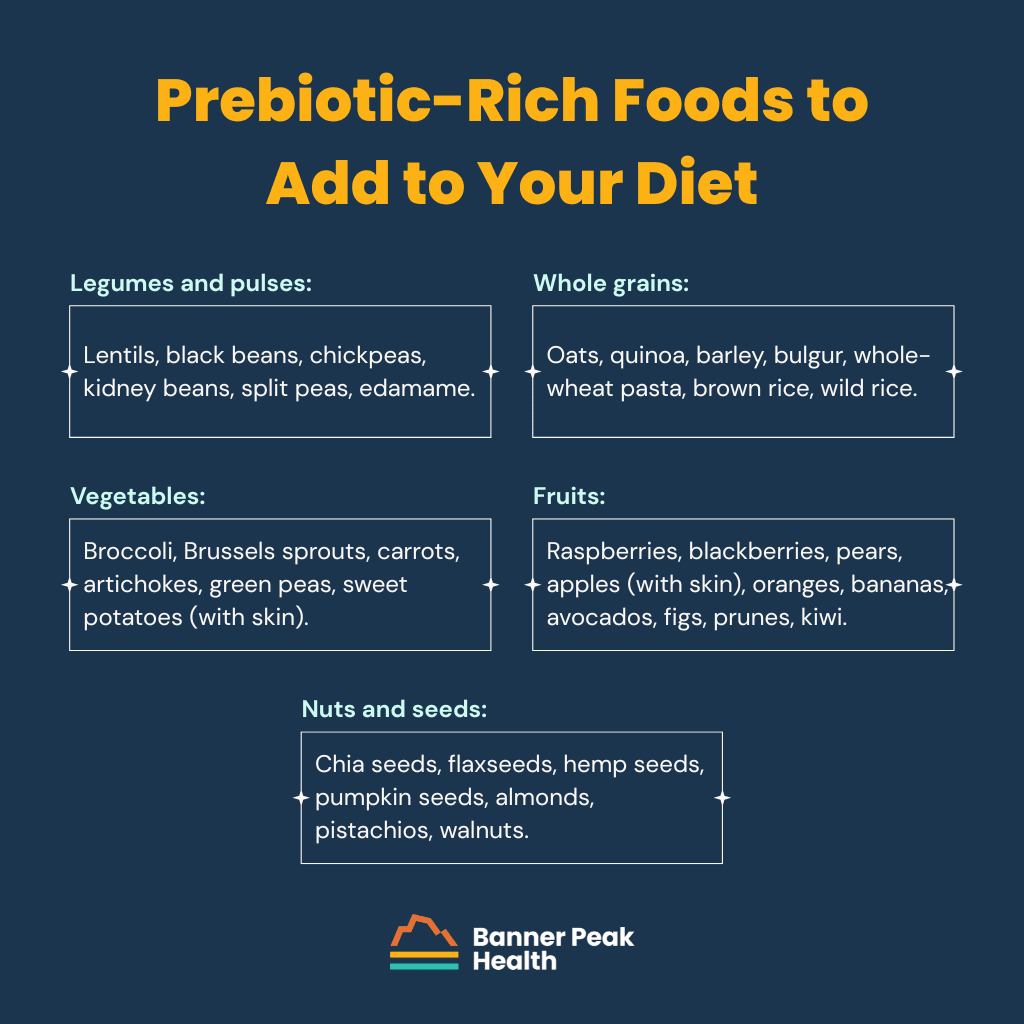
I recommend dietary fiber as the foundation of any GI supplements strategy. The list of prebiotic-rich foods is extensive:
- Legumes and pulses: lentils, black beans, chickpeas, kidney beans, split peas, edamame
- Whole grains: oats, quinoa, barley, bulgur, whole-wheat pasta, brown rice, wild rice
- Vegetables: broccoli, Brussels sprouts, carrots, artichokes, green peas, sweet potatoes (with skin)
- Fruits: raspberries, blackberries, pears, apples (with skin), oranges, bananas, avocados, figs, prunes, kiwi (with the skin for more fiber and vitamins)
- Nuts and seeds: chia seeds, flaxseeds, hemp seeds, pumpkin seeds, almonds, pistachios, walnuts
Consume a variety of soluble and insoluble fiber sources. Each type of plant food brings different phytonutrients and feeds different bacterial populations.
For constipation in particular, kiwi and prunes have solid research behind them. One multi-center randomized controlled trial found that eating two kiwis a day for four weeks improved complete spontaneous bowel movements in patients with functional constipation.
Prebiotic Supplements I Recommend
After trying multiple different fiber supplements myself, here’s what I’ve learned.
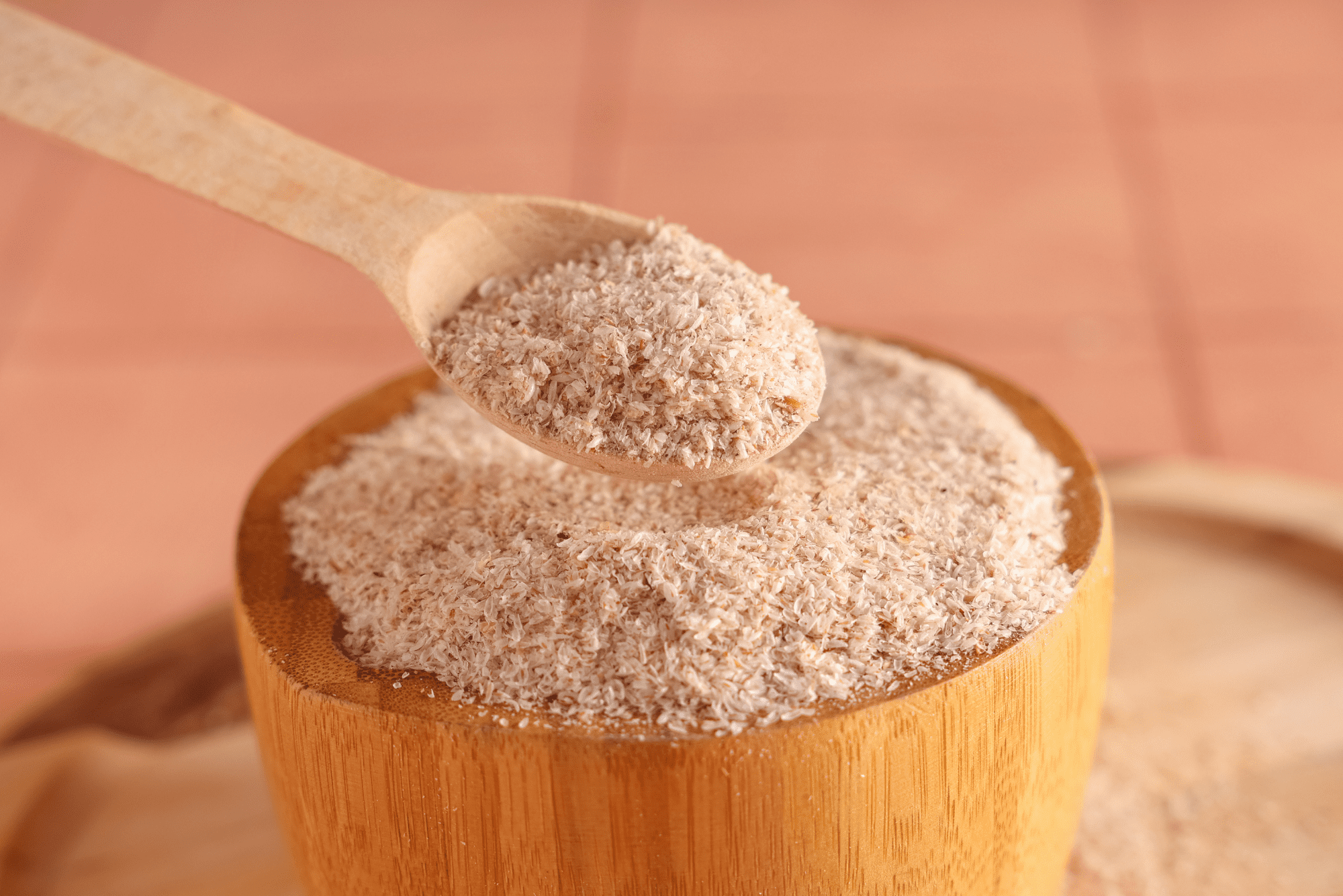
Psyllium Husk
Psyllium has the strongest data for treating constipation of all fiber supplements. The evidence is solid. For many of my patients with constipation, psyllium makes a dramatic difference.
Three reputable brands:
A note on safety: All psyllium products carry a Prop 65 warning due to lead content. Psyllium comes from plants that absorb lead from soil, so some contamination is inevitable.
ConsumerLab tests these products annually, and results differ by batch. One year, Yerba Prima tests best; the next year, it’s Organic India.
For patients with severe constipation, the trade-off is likely worthwhile. The amounts needed for therapeutic benefit are unlikely to cause major harm, but this concern has led me to explore alternatives.
Inulin
Emerging data supports inulin, particularly chicory inulin. A 2025 randomized controlled trial found 12 grams per day for four weeks increased stool frequency, improved abdominal symptoms, improved quality of life, and increased butyrate-producing Bifidobacterium populations.
Thorne FiberMend
I steer most patients toward this product. Thorne is an excellent brand overall, and FiberMend is NSF certified with third-party verification.
It’s a combination of rice bran, guar gum, and apple pectin. Pectin has decent data supporting its effect on motility. The product contains Sun Fiber (a standalone guar gum product with its own evidence base), so you get multiple benefits in one supplement.
FiberMend doesn’t have a strong flavor, so it’s easier to take than psyllium. It causes less bloating and flatulence than psyllium for most patients.
Sunfiber
If you want a simpler option, Sunfiber contains only guar gum. It’s well-tolerated and doesn’t cause the same GI side effects as psyllium.
The Banner Peak Health Approach to Prebiotic Supplements
At Banner Peak Health, we take a personalized approach to prebiotic supplements. Your goals, symptoms, and preferences all influence our recommendations.
Some patients can’t tolerate mixing powder into a drink every day. For them, encapsulated psyllium might be the answer. Frequent travelers may need portable packets they can take on the road.
We’ll help you figure out the best option for your body and your lifestyle. Then, we’ll monitor your progress together and adjust as needed.
If you’re interested in using prebiotics for gut health, start the conversation during your next visit. We’re here to help you become an informed, empowered partner in your own health, not a passive consumer of GI supplements.

What Is Ultra-Processed Food? Why Are Ultra-Processed Foods Bad for You? A Doctor Explains
The term “ultra-processed food” is everywhere right now, but it’s often confused with simple junk food.
So, what is ultra-processed food? Why are ultra-processed foods bad for you? As a physician focused on prevention, I explain the distinction to patients regularly, and the difference matters more than most people realize.
Fifty-three to 58% of Americans’ total daily calories come from ultra-processed foods. Historically speaking, human beings were only recently exposed to these substances. No surprise, then, that we’re learning exposure to this stuff has serious health consequences.
What Is Ultra-Processed Food?
There’s no universally agreed-upon definition, but the NOVA classification system provides a useful framework: Ultra-processed food consists of formulations of ingredients, mostly of exclusive industrial use, resulting from a series of industrial processes.
Ultra-processed foods contain substances with no real culinary use: things you’d never find in a home kitchen. High fructose corn syrup and hydrogenated oils are prime examples. Manufacturers add these ingredients to extend shelf life, improve appearance, and increase palatability.
Whole Foods vs. Minimally Processed Food vs. Ultra-Processed Food
Imagine your grocery store’s produce department. What do you find there? Uncooked beans, lentils, fruits, vegetables, nuts, seeds, eggs, and fresh meats.
These are whole foods, unadulterated products you could find in nature.
Minimally processed foods have been cleaned, chopped, frozen, or dried without fundamental chemical alteration. Frozen fruit, canned beans with some added spices and salt, and rolled oats fall into this category. Mechanical processing differs from chemical manipulation.
Ultra-processed foods occupy the opposite end of the spectrum. Consider deli meats: a perfectly round shape with rivets from something compressing it, wrapped in plastic shrink wrap. I’ve never seen an animal that looks like that.
Compare that to a butcher slicing from a whole turkey breast that’s been roasted in-house. The difference is stark.
Why Are Ultra-Processed Foods Bad?
We don’t know all the effects of every chemical additive, but common sense suggests avoiding substances humans never encountered throughout our evolutionary history.
Here are just a few reasons ultra-processed foods are bad for you:
Engineered for Overconsumption
Ultra-processed foods are scientifically engineered to be highly palatable, with high levels of sugar, fat, and salt. When you eat these foods, your brain responds as though it’s discovered something precious.
Historically, we were hunter-gatherers who didn’t have these nutrients in abundance. Your brain says, “Fat! Sugar! This is great. Let me gobble this up because I don’t know when I’ll find it again.”
If you pause and reflect on eating a bag of potato chips, you’ll recognize the addictive quality. This isn’t just perception; data supports the fact that these foods are genuinely addictive.
They activate brain reward circuits, flooding your system with dopamine and serotonin. Every bite delivers a rush of chemicals that says, “Give me more.”
Disrupted Hunger Signals
Need another reason ultra-processed foods are bad? They disrupt the gut-brain axis.
This is why GLP-1 agonists work so well: They modulate appetite and gastric motility, counteracting the disrupted signaling that ultra-processed foods create. You consume 2,000 calories but don’t feel full because your satiety mechanisms have been hijacked.
Many ultra-processed foods have high glycemic loads. Eat potato chips or candy, and you get a euphoric spike in blood sugar followed by a crash that leaves you hungrier than before.
Structural Brain Changes
Brain imaging studies show that ultra-processed foods structurally change your brain.
Areas involved in inhibitory control and reward processing are affected. More concerning, these changes occur in regions associated with neurodegenerative diseases like Alzheimer’s, multiple sclerosis, and Parkinson’s.
The Health Consequences
The downstream effects of eating ultra-processed foods include increased risk of diabetes, obesity, cardiovascular disease, and neurodegenerative conditions.
Multiple studies demonstrate increased all-cause mortality: Consume these foods in excess, and you’re more likely to die at an earlier age.
The Mediterranean Diet Connection
There’s a hypothesis about “healthy” diets like the Mediterranean diet. The benefits may not come solely from the healthy foods you add; they may come from the bad ultra-processed foods you remove.
I believe it’s a combination. You’re removing addictive substances that compel overconsumption, and you’re adding nutrient-dense whole foods.
I tell my patients to eat out less, avoid junk and bad ultra-processed foods, focus on plants, and include lean animal proteins. Once you understand these mechanisms (what’s actually happening to your brain when you eat these foods), that knowledge will compel you to change.
How to Identify Bad Ultra-Processed Foods
If you can’t pronounce an ingredient, it’s probably a chemical that doesn’t belong in your food.
Will it cause you to grow an extra arm? No. But human beings didn’t evolve with these substances as part of our daily intake.
Beware the Marketing
Health is a marketing scheme. Every bag of chips and box of cereal carries some health-related messaging.
“Eat these Fruit Loops! They have all the vitamins and minerals you need!” In reality, it’s all additives with no natural component.
The current fad is high-protein chips. Maybe they’re not the worst thing in the world, but instead of eating protein from a bag of chips, have a chicken breast with a salad, trail mix, a can of tuna, or Greek yogurt. These are better protein sources.
Reading Ultra-Processed Food Labels Effectively
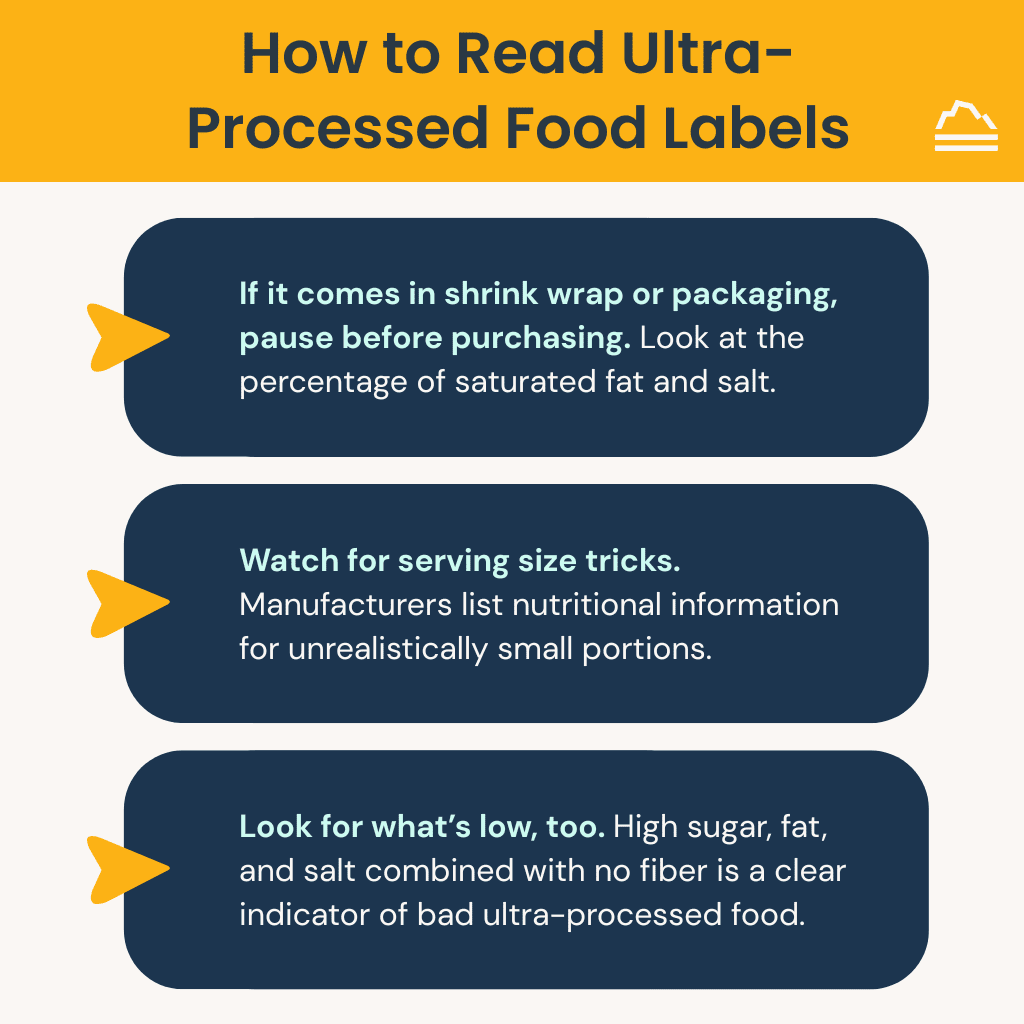
If it comes in shrink wrap or packaging, pause before purchasing. Look at the percentage of saturated fat and salt. If something contains 50% or more of your daily salt intake, that’s a red flag.
Watch for serving size tricks. Manufacturers list nutritional information for unrealistically small portions. That bowl of ramen noodles might claim to be four servings when you know you’ll eat the whole thing. Multiply accordingly.
Look for what’s low, too. High sugar, fat, and salt, combined with no fiber, is a clear indicator of bad ultra-processed food. Ask yourself, how was this made? Was it minimally processed and packaged, or does it contain refined flour and unrecognizable ingredients?
How to Start Removing Bad Ultra-Processed Foods From Your Diet
Be realistic with your expectations. Cleaning your entire pantry overnight isn’t sustainable for most people. Instead, find one ultra-processed food in your normal routine and replace it.
Maybe you eat chips every day. Replace them with popcorn you make yourself (not the bagged kind loaded with butter and additives, but kernels you pop and season lightly). Or, swap the chips for carrots, vegetables, and hummus.
If you don’t know how to cook, now’s the time to learn. When you prepare your own food, you control what goes into it, and you’ll know you’re eating fewer ultra-processed foods.
The Salad Challenge
Instead of snacking on bad ultra-processed foods, have one salad with lean protein every day for a month. See how you feel.
It doesn’t matter how much salad you eat. You won’t gain weight. You’ll only benefit from a nutritional and metabolic perspective.
Here’s what I put in my salads:
- Arugula
- Cucumber
- Tomato
- Spinach
- Kale
- Multiple colored peppers
- Carrot
- Onion
- Beets
- Feta cheese
- Lemon and olive oil dressing
- Dried herbs (basil, oregano, thyme, rosemary)
- Lean protein (chickpeas, beans, tuna, or chicken)
That’s potentially eight to 10 different plants in a single meal. See how many you can fit.
View Food as Fuel
People come to me wanting to feel better, optimize their health span, and reduce their risk of chronic illness. To accomplish those goals, you need to give your body the best fuel possible. If you owned a Lamborghini, you wouldn’t put diesel in it; that would ruin the engine. The same logic applies to your body.
This principle applies to how we raise our children, too. What do we put on their plates? Kids will inevitably eat snacks at birthday parties, but is that the food we keep in the house all the time?
If you want your child (or even your pet) to be as healthy as possible, provide the highest quality fuel.
Today’s Takeaways
What is ultra-processed food? Why are ultra-processed foods bad? Knowing the answers to these questions helps you make better choices.
Start small. Replace one ultra-processed food item with a whole food alternative. Learn to cook if you haven’t already. See how many plants you can include in your daily meals.
At Banner Peak Health, we work with patients to develop sustainable nutrition strategies that support long-term health. During your next visit, we’re happy to discuss your dietary habits and create a plan that works for you.
Is Dairy Good or Bad for You? A Physician Settles the Great Dairy Debate
For decades, campaigns like “Got Milk?” positioned dairy as a nutritional cornerstone. Today, it’s one of the most controversial topics in nutrition.
So, is dairy good or bad for you? The answer is neither… and both.
Like most nutritional principles, it comes down to moderation. Milk is milk. How we consume it, and how much, determines whether we experience health benefits or health risks.
The Nutritional Case for Dairy
People have been drinking milk for thousands of years. When you examine its nutritional content, the appeal is obvious: It’s nutrient-dense.
A single serving of milk delivers protein alongside an impressive array of vitamins and minerals: calcium, magnesium, potassium, zinc, selenium, vitamins A and B12, and riboflavin. Few other beverages pack this much macro- and micronutrient potential into one glass.
Research supports several health benefits, particularly for low-fat dairy and yogurt. The calcium and protein content (without excessive saturated fat) contributes to better bone health. This matters for osteoporosis prevention and reducing bone degeneration over time.
Some studies suggest links to lower cardiovascular disease risk. And perhaps most notable: Dairy consumption may be protective against colorectal cancer, likely due to increased calcium intake.
The Concerns: Prostate Cancer and Parkinson’s Disease
The primary concerns around dairy center on two conditions: prostate cancer and Parkinson’s disease.
Multiple meta-analyses suggest a modest association between high dairy consumption and prostate cancer risk. One data point: an 11% higher risk of developing prostate cancer for every 400 grams of milk consumed daily, or roughly two cups.
Modern dairy cows are bred to be hyper-producers of milk. This milk contains elevated levels of IGF-1 (insulin-like growth factor 1), a hormone that stimulates growth. In laboratory experiments, IGF-1 promotes the proliferation of prostate cancer cells and can inhibit apoptosis, the programmed death of normal cells.
There’s another proposed pathway: Whey casein protein may boost an enzyme called TOR, which has been shown to accelerate prostate cancer growth.
Association doesn’t equal causation. These findings show a link, not proof that milk causes prostate cancer. The relationship appears dose-dependent: Drinking large quantities increases risk, but moderate consumption likely does not. And if IGF-1 were truly driving cancer development, we’d expect associations with many cancer types, not just prostate cancer.
The same studies that suggest prostate cancer risk also show dairy may be protective against colorectal cancer. The picture is mixed.
The Parkinson’s disease connection is less clear. Studies show a dose-dependent relationship (high milk consumption correlates with increased risk), but researchers don’t understand why. The association isn’t seen with fermented dairy products like yogurt, only with milk itself.
Recent research has identified a strong link between pesticide exposure and Parkinson’s disease. Could pesticide contamination in milk explain the association? It’s speculative, but plausible.
We can’t say with certainty that pesticides cause Parkinson’s, but the connection warrants attention.
Is Dairy Inflammatory?
Many patients ask whether dairy causes inflammation. I searched the medical literature and found no clear data supporting this claim.
Despite what circulates online (advice to avoid milk when you have a cold or are trying to reduce inflammation), the evidence isn’t there.
Understanding Lactose Intolerance
Beyond disease associations, the most common dairy concern is lactose intolerance. It affects a staggering 65–76% of the global population to some degree.
Lactose intolerance is largely genetic. It’s more common in African, Asian, Latino, and Native American populations and far less common in those of European descent. As we age, the enzyme that breaks down lactose (called lactase) becomes less efficient or decreases in quantity.
The symptoms are familiar: abdominal pain, bloating, flatulence, and diarrhea. When lactose isn’t broken down in the small intestine, it passes into the colon. Gut bacteria then ferment it, producing hydrogen gas, the culprit behind the discomfort.
Diagnosis rarely requires formal testing. A therapeutic trial works well: Avoid dairy, see if symptoms improve, reintroduce it, see if symptoms return. If you want to continue consuming dairy, try taking a lactase enzyme beforehand and assess the results.
For those curious about a formal diagnosis, there’s a hydrogen breath test. You consume a lactose load, and clinicians measure hydrogen in your exhaled breath. Elevated levels confirm the diagnosis. But most patients never need this.
Practical Solutions for Dairy Sensitivity
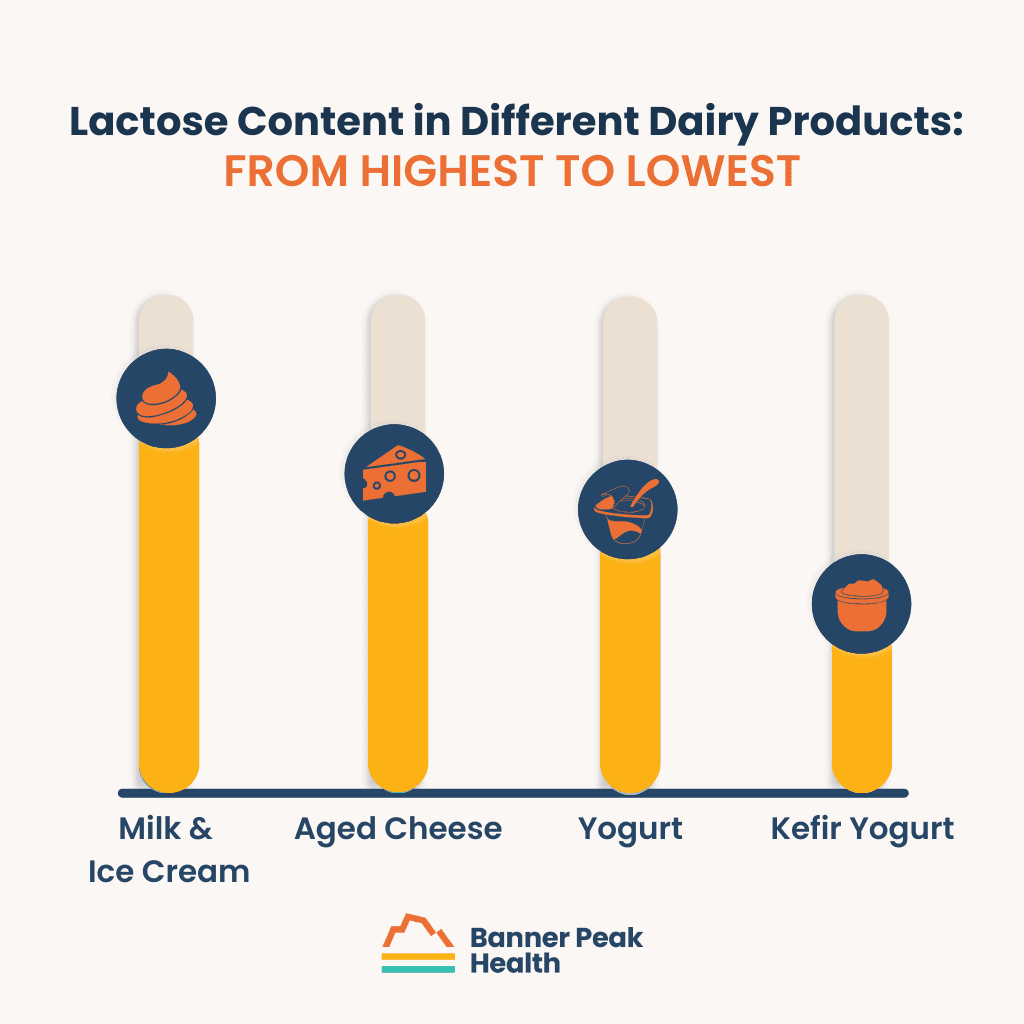
Not all dairy is created equal when it comes to lactose content.
Milk and ice cream contain the highest amounts. Harder, aged cheeses contain less, as the aging process reduces lactose. Yogurt has less than milk, and kefir yogurt has even less than regular yogurt.
If you’re somewhat sensitive (meaning you have reduced but not absent lactase enzyme), you may tolerate aged cheeses, kefir, or yogurt without issue but struggle with milk or soft cheeses. Experiment to find your threshold.
There’s A2 milk, a new option you may have noticed in grocery stores. Milk contains two types of casein protein, A1 and A2. Most commercial milk contains both, depending on cow breeds selected for high milk production. Some people tolerate A2-only milk better, even independent of lactose content.
If you want to keep milk in your diet but experience discomfort, A2 milk is worth trying.
My Approach With Patients
If you feel fine consuming dairy, you don’t have to avoid it.
I’m not opposed to dairy as a way to get adequate calcium and protein. These nutrients matter, and if dairy helps you meet your needs, that’s a reasonable approach, in moderation.
If there were clear data showing that a specific amount of milk caused cancer, I’d advise avoidance. But we’re dealing with associations, not causation, and many other factors contribute to cancer development (genetics being a major player).
If you’re managing cardiovascular risk, lean toward lower saturated fat options. A 0% Greek yogurt delivers the protein and calcium benefits without the saturated fat of whole-milk varieties. That doesn’t mean you can never enjoy full-fat dairy; just be mindful of the balance.
If the data changes, my opinion will change. Nutritional science is difficult to study rigorously. There’s little funding for large randomized controlled trials on food, since no pharmaceutical company stands to profit. Much of the data is observational, with inherent limitations.
I didn’t find strong evidence that dairy is “bad” for you, but I remain open to updating this perspective if new research emerges. That flexibility is how good medicine works.
Is dairy bad for you? Not inherently. Is dairy good for you? It can be. The answer, as with most nutrition questions, lies in moderation and paying attention to how your body responds.

The Physical and Mental Health Benefits of Hiking: Why Getting Outside Matters More Than Ever
I never feel like I have enough time in the day.
Between patient care, staying current with medical literature, and the endless stream of notifications demanding my attention, I’m constantly bombarded by reminders, meetings, and things to read. This probably applies to you, too, regardless of your career. We’re all drowning in distractions.
That’s why the benefits of hiking are indispensable.
The Physical Benefits of Hiking: More Than Just Cardio
Hiking offers tremendous physical benefits. It’s one of the most accessible forms of exercise across one’s lifespan.
You can hike into your elderly years. You might need a trekking pole for balance as you age, but it’s an activity you can take with you through life.
The benefits of hiking in nature include both cardiovascular and strength training components. When you climb hills, for instance, you engage your core, activate your leg muscles, and use your body differently than you would on flat ground.
Data shows that consistent hiking increases aerobic capacity and skeletal muscle mass. It improves blood pressure and VO₂ max, your body’s ability to use oxygen during exercise. When you’re hiking uphill, you’re doing more physical work, expending more energy, and building strength alongside endurance.
This combination makes hiking valuable. You’re hitting Zone 2 cardio training while loading your joints and muscles to support bone density and functional strength.
Nature Is Therapeutic
Being in nature is therapeutic. You can’t fully separate the physical benefits of hiking from the experience of being outdoors.
Humans evolved in nature. We’re designed to spend time listening to the wind rustle through leaves, observing animals, and being present in an environment akin to what our ancestors experienced.
When you remove yourself from notifications, emails, and endless scrolling, and when you put yourself in a position where you can just exist, you return to an internal place of solitude. It’s a respite from modern life’s stressors.
I attended medical school in Israel, where I found my love of hiking. Whether it was hiking through Ramon Crater (Mitzpe Ramon) or rappelling through canyons at Nachal Darga, I found a hobby and passion that I will continue for life.
Years later, it’s one of the reasons I wanted to move to Northern California. Being outdoors is nonnegotiable for my well-being.
What Is Rucking?
Rucking takes the physical benefits of hiking to another level.
Rucking means hiking with weight on your back. You might use a weighted vest or a backpack filled with 20 pounds, depending on your body size and fitness level. This increases the intensity of your workout without special equipment or gym access.
Rucking isn’t new. It’s been part of military training for years, since soldiers need to cover several miles carrying heavy gear. It’s a test of endurance and physical strength.
When I first started rucking, I threw a 15-pound dumbbell and an old pillow into a backpack and hit the trail. Now, specialized packs and vests are available, but you don’t need them to start.
The benefits are substantial. You’re loading your joints more and improving your bone density, which matters increasingly as we age and naturally lose bone mass. For women at higher risk for osteoporosis and osteopenia, any weight-bearing exercise is valuable. Rucking delivers.
When you carry weight on your back with proper form (poor form increases injury risk), you engage your core and maintain better posture. You work your postural muscles and improve core stability. For those of us who sit at work all day, this is another benefit.
Rucking lets you maximize time efficiency. Taking a 10-minute walk? Add weight and burn considerably more calories while building strength.
Safety note: Rucking is generally safe when done with proper form, but it’s not appropriate for patients with certain joint issues or back or neck problems. If you’re new to this type of exercise, consult your physician first.
Mental Health Benefits of Hiking: The Data Behind the Experience
The mental health benefits of hiking aren’t subjective. They’re measurable, documented, and consistent across medical literature.
Studies show that spending time in nature improves emotional regulation, decreases anxiety and depression scores, and increases overall mood. Researchers have compared urban walks with nature walks and found differences in stress markers, including circulating cortisol levels. Time in forests leads to better life satisfaction and improved cognition.
Research also shows decreased inflammatory markers after experiences of awe in nature. When you stand in front of the Grand Canyon or Yosemite, when you’re struck by the majesty and scale of the natural world, your body responds physiologically.
Stress decreases. Immune function may improve. PTSD symptoms reduce, too, according to some studies.
Mental Health Benefits of Hiking: Hiking as Moving Meditation
You don’t need to be an expert in meditation to benefit from mindfulness in nature. When you walk through the woods, focused on the leaves crunching beneath your feet or the sunlight filtering through the trees, you’re practicing a form of meditation without formal training.
You might use hiking time for deeper introspection. Where am I in life? What am I grateful for? What are my goals?
This intentional reflection becomes powerful when you’re removed from daily triggers and stressors.
Everyone Has Access to Nature
Some people live in urban environments far from wilderness trails. That doesn’t eliminate the benefits of hiking in nature.
In Manhattan, surrounded by brick and mortar, you can go to Central Park.
Walking in a park is different from walking on the street. You’re reducing carbon monoxide exposure. You’re surrounded by grass, plants, and trees. That’s therapeutic.
It’s not as immersive as a forest trail. You don’t feel removed from civilization. But it’s a start, and it’s accessible to most people.
You don’t need an Instagram-worthy backdrop. Find a local trail or park. Your own neighborhood also works if you’re intentional about it. Put weight in a backpack and walk around your block.

Fitting the Physical Benefits of Hiking Into Your Wellness Plan
The physical and mental health benefits of hiking make it a cornerstone of comprehensive wellness. It complements nutrition, sleep, and stress management:
- The light exposure helps regulate circadian rhythm, which improves sleep quality.
- The stress reduction supports better cortisol patterns, which affects everything from weight management to immune function.
- The social connections you make when you hike with others contribute to longevity and health outcomes.
You don’t need to live on top of mountains or visit Yosemite every weekend, but you do need to be intentional about prioritizing outdoor time. That means sacrificing another activity. Maybe you spend four hours on social media every night. That’s where you can shift your time.
You can’t just read about the benefits and do nothing. Spend 15 or 20 minutes thinking about how you’ll incorporate hiking or rucking into your life.
Maybe you substitute your gym treadmill for a trail walk every morning. Maybe you sign up for a backpacking trip. Maybe you commit to 10 minutes outside daily. Even those 10 minutes create measurable benefits.
How to Experience the Physical and Mental Health Benefits of Hiking
You don’t need special gear to reap the physical and mental health benefits of hiking.
Start by just walking outside. Get on a trail. Pay attention to your surroundings.
If you want structure or community, look at group tours or classes. REI offers excellent resources for beginners. Local hiking groups exist in most areas.
Check Meetup for social hiking opportunities. The social element adds another layer of benefit, and you’ll discover new trails through experienced hikers.
Download the app AllTrails. It’s a comprehensive, free app that displays trails near you with difficulty ratings, distances, and user reviews.
This doesn’t have to be as dramatic as a survival reality series. You’re not competing with anyone. You’re just giving yourself space to move, breathe, and reconnect with the environment we evolved in.
Start this week. Find 10 minutes. Step outside. Notice what changes.

Decoding the Labels: The Truth About Organic vs. Non-Organic Foods
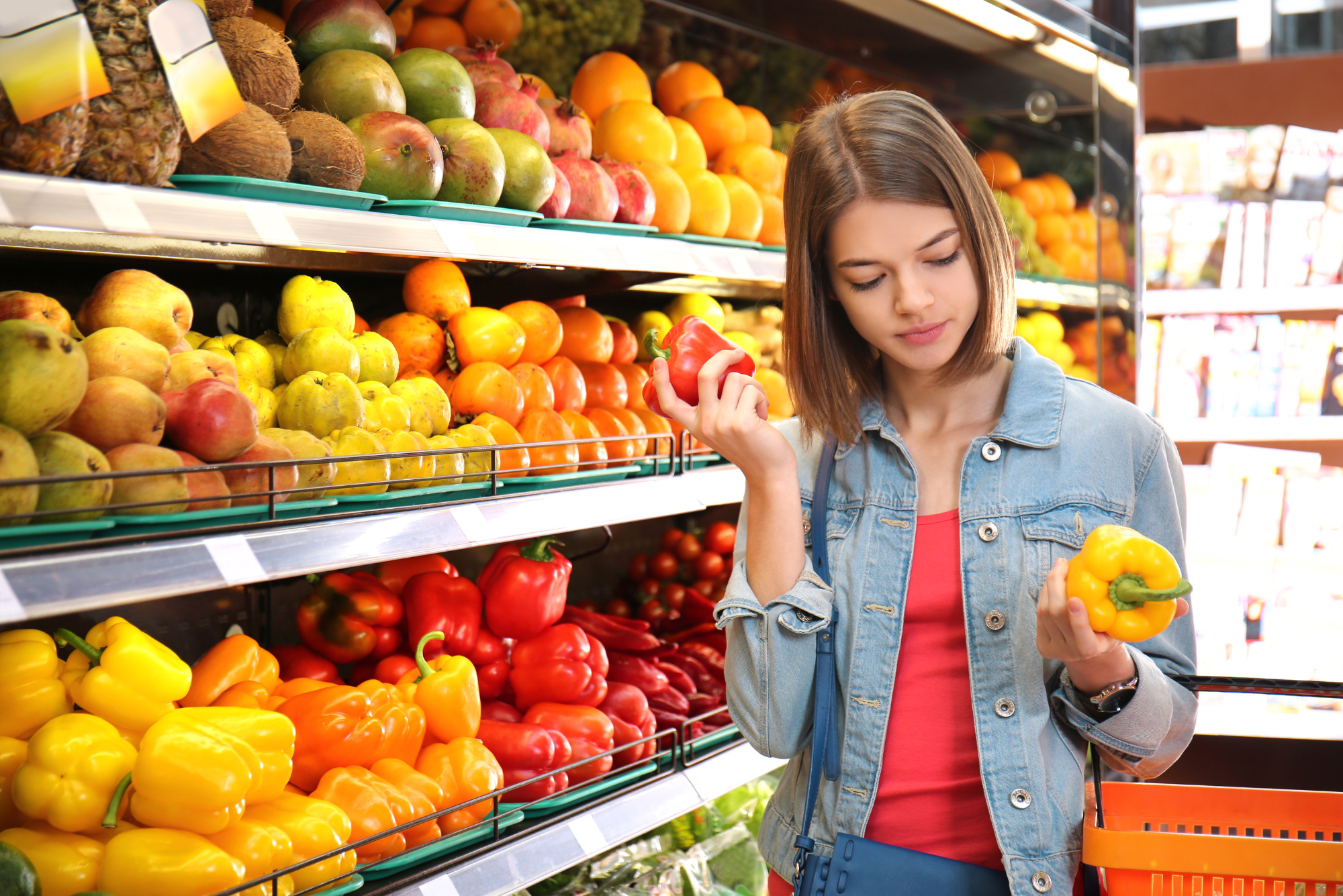
You’re standing in the produce aisle, staring at two bundles of spinach. One has a USDA organic label and costs $5.99. The other is $2.99. You reach for the organic option, hesitate, then wonder: Is organic really better?
This question plagues health-conscious shoppers every week. Understanding what separates organic from conventional farming helps you make important decisions about your health, budget, and values.
What Is the Difference Between Organic and Non-Organic?
The difference between organic and non-organic produce starts with how food is grown.
When you see a USDA organic seal on produce, it means that food was produced according to strict federal regulations. These standards prohibit the use of synthetic pesticides, herbicides, fertilizers, genetically modified organisms, sewage sludge, and ionizing radiation, among others.
Organic doesn’t mean zero pesticide use. Organic farmers can use non-synthetic, plant-derived compounds to protect their crops. You’ll find products like neem oil (available over the counter for home gardeners), copper compounds, and sulfur. These natural substances help fight pests and disease.
USDA-certified organic farms must implement environmentally friendly practices, such as crop rotation, composting, and biological pest control. State-dependent organizations conduct farm inspections and testing to verify compliance with these standards.
For a product to carry the organic label, at least 95% of its ingredients must meet organic certification standards. Products labeled “100% organic” contain only certified organic ingredients.
Conventional farming takes the opposite approach, prioritizing yield and efficiency over soil integrity and environmental impact. These farms use synthetic fertilizers, herbicides, insecticides, and fungicides to make their crops resistant to diseases and drought.
Organic vs. Non-Organic Foods: Nutritional Differences
So, does organic produce contain more vitamins and minerals? The research presents a surprising finding: there’s only a minimal difference.
Several studies have shown that certain organic fruits may have higher antioxidant content and lower nitrate levels. When you examine the complete body of research on organic vs. non-organic foods, though, no substantial nutritional differences emerge. You can’t reasonably choose specific products based on superior nutrient density.
The real benefit of organic produce lies elsewhere: reduced exposure to synthetic pesticides.
Conventional produce contains higher levels of pesticide residue, although all levels fall within the Environmental Protection Agency’s safety limits. The EPA regulates the quantities of pesticides to keep consumers safe.
In 2025, a European analysis detected pesticide residue on 85.7% of conventional produce samples versus 40% of organic samples. Multiple meta-analyses confirm that pesticide residue appears about four times more frequently on conventional crops than on organic crops.
Regulations vary by region. More than 80 pesticides banned in the European Union remain approved for use in the United States. European countries tend to implement stricter food safety standards earlier than American agencies, a pattern that extends into pharmaceutical approval.
Health Implications of Pesticide Residue
The EPA maintains that pesticide exposure from conventional produce poses no health risk at typical consumption levels.
Limiting your fruit and vegetable intake because of pesticide concerns is a mistake. Every credible health organization agrees that eating more produce (organic or conventional) provides greater benefits than avoiding it.
The challenge lies in studying pesticide effects on humans.
Most pesticides function as endocrine-disrupting chemicals (EDCs). These compounds mimic or block natural hormones like estrogen, androgens, and thyroid hormones. EDCs can also inhibit enzymes your body uses to produce hormones. The result: potential disruption of both hormone production and your body’s response to hormonal signals.
Researchers have identified several possible health effects.
- Pesticide exposure may impact fertility, though no definitive link exists. If you’re struggling to conceive, reducing your pesticide exposure might be worth considering.
- Some evidence suggests that pesticide exposure during pregnancy may affect fetal neurodevelopment by disrupting hormone signaling.
- Studies have explored potential links to hypothyroidism, though the data remains inconclusive.
- Pesticide exposure may be linked to Parkinson’s disease, according to some studies.
Glyphosate is a herbicide that appears in many conventional crops, particularly oats. You’ll often see organic oats labeled “glyphosate-free.” The World Health Organization classifies glyphosate as a probable human carcinogen based on epidemiological associations with non-Hodgkin’s lymphoma. The U.S. EPA disagrees, stating glyphosate is unlikely to be carcinogenic at real-world exposure levels.
Another pesticide, chlorpyrifos, showed stronger evidence of harm. Epidemiological studies identified adverse neurodevelopmental outcomes in children exposed during pregnancy, with a dose-response relationship. Higher exposure during the first and third trimesters led to a greater likelihood of neurodevelopmental problems.
Chlorpyrifos was banned in the EU in 2020, and in 2021, the EPA effectively banned its use on food and feed crops in the U.S. Two years later, the U.S. Court of Appeals for the Eighth Circuit overturned that ban and sent the matter back to the EPA for further proceedings. As of this writing, the EPA is re-evaluating chlorpyrifos regulations.
Studies examining long-term health associations face a limitation: people who consume organic produce tend to be healthier overall. These individuals make other health-conscious choices, creating unavoidable bias in observational data. Associations between organic food consumption and lower rates of obesity, hypertension, and metabolic disease don’t prove causation.
No randomized controlled trials or meta-analyses have shown long-term health benefits from organic produce. The primary proven advantage is reduced pesticide exposure. The nutritional benefits of consuming produce far outweigh the potential risks associated with pesticides.
Environmental Impact: Beyond Personal Health
Your food choices affect more than your body. Organic and conventional farming have vastly different environmental footprints.
Organic farming yields healthier soil, characterized by increased organic matter and enhanced microbial diversity, which in turn improves long-term soil fertility and water retention. Reduced synthetic pesticide use means more insects, pollinators, and beneficial soil organisms thrive. These elements create a natural, healthy soil environment that produces better crops over time.
Conventional fertilizers and pesticides create another problem: runoff. Heavy rain can wash these chemicals into local water sources, contaminating rivers, lakes, and groundwater. This affects the aquatic organisms and animals that rely on these water sources.
Water treatment facilities remove most contaminants before human consumption, but runoff remains an environmental concern.
Strategic Shopping: The Dirty Dozen and Clean Fifteen
Cost is most families’ biggest barrier to buying organic. You don’t need to purchase all organic produce to reduce your pesticide exposure. Strategic choices make the biggest difference.
The Environmental Working Group (EWG), a nonprofit organization, helps consumers make better decisions. The EWG analyzes data the USDA collects on pesticide residue in produce.
The USDA’s testing methodology is interesting: instead of testing produce straight from the farm, testers wash and prepare samples as consumers would at home, which reflects real-world pesticide exposure. They rinse produce under running water for 15 to 20 seconds. If the item requires peeling, they peel it.
The EWG ranks produce based on four variables:
- Abundance: The percentage of samples with at least one detected pesticide
- Diversity: The average number of different pesticides on a single sample
- Intensity: The concentration of pesticides
- Toxicity: Estimated toxicity based on pesticide concentration
This analysis produces two lists: the Dirty Dozen (highest pesticide residue) and the Clean Fifteen (lowest pesticide residue).
The Dirty Dozen includes produce with higher pesticide levels: spinach, grapes, blackberries, blueberries, and strawberries. Berries consistently rank high for pesticide residue.
The Clean Fifteen features items with thicker peels or protective layers: pineapple, corn, avocado, onions, and watermelon. You remove these protective layers before eating, so you don’t need to invest extra money in organic versions.
Here’s an example: Most grocery stores stock both organic and conventional bananas. Bananas have thick peels that you remove before eating, so you’re probably fine choosing conventional bananas. The price difference is minimal, but the pesticide exposure difference is negligible.
Today’s Takeaways
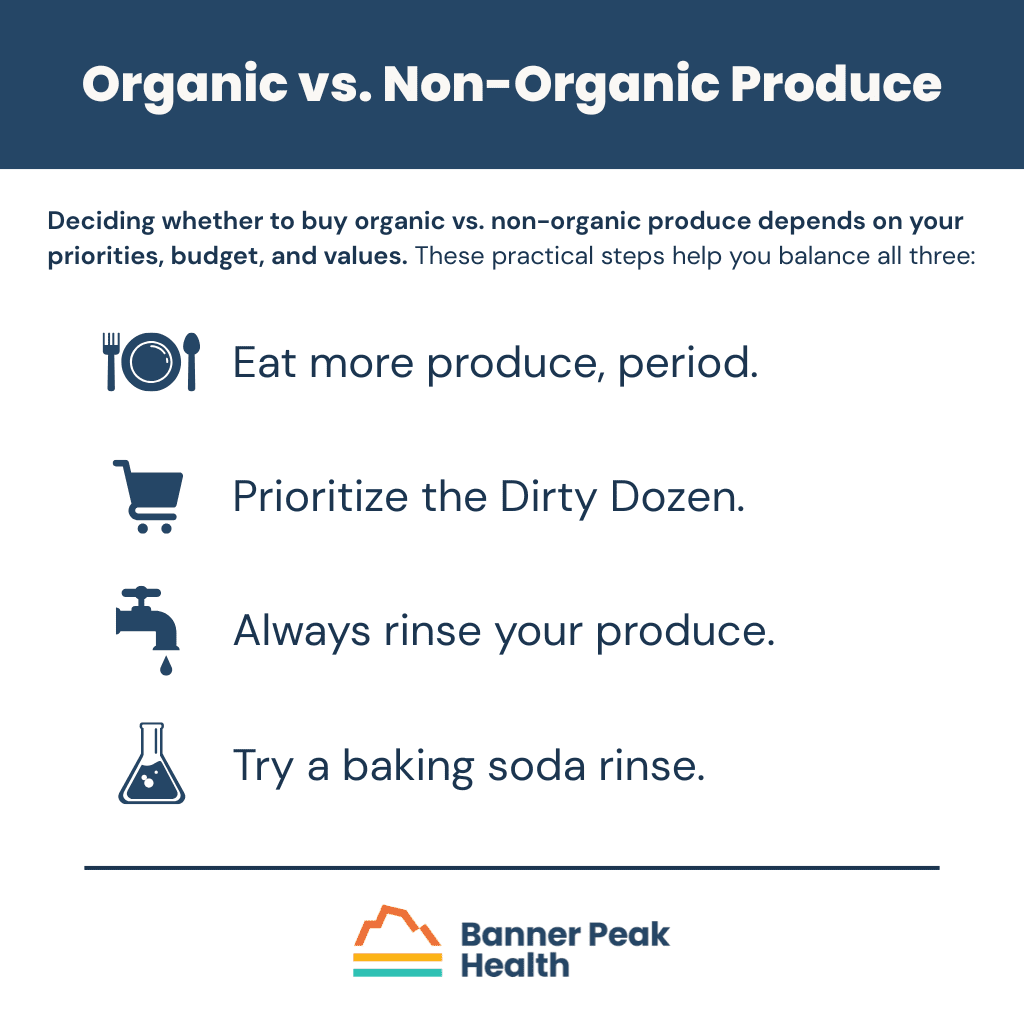
Deciding whether to buy organic vs. non-organic produce depends on your priorities, budget, and values. These practical steps help you balance all three:
Eat more produce, period. Don’t limit your fruit and vegetable intake over pesticide concerns. The nutritional benefits outweigh potential risks.
Prioritize the Dirty Dozen. If you want to reduce pesticide exposure, focus your organic purchases on the produce ranked highest for pesticide residue. This provides the most value for your money.
Always rinse your produce. The USDA’s pesticide data comes from washed produce. At a minimum, rinse all produce (organic or conventional) for 20 to 30 seconds under running water.
Try a baking soda rinse. Research shows soaking produce in a baking soda solution removes a large percentage of surface pesticides. A 2017 study found that soaking apples for 12 to 15 minutes in baking soda water removed substantial amounts of surface contaminants (though pesticides that penetrate deeper into the peel remained). Peeling produce eliminates more pesticides but also removes beneficial vitamins, minerals, and fiber.
In my house, we buy organic for the items on the Dirty Dozen list. When organic isn’t available, we use a baking soda rinse. The process is simple: mix about half a cup of baking soda with water, soak your produce for 12 to 15 minutes, then rinse thoroughly.
We don’t measure precisely or create exact percentages. The goal is practical protection, not laboratory precision.
So, is organic really better? The answer depends on what “better” means to you. Organic produce exposes you to fewer synthetic pesticides and supports more sustainable farming practices. It doesn’t provide dramatically superior nutrition. Whether that trade-off justifies the higher cost is up to you.
Make informed choices based on your circumstances, and remember that any produce is better than no produce.
Foods That Fight Inflammation: Your Defense Against Silent Damage
Most people think inflammation means a swollen ankle or arthritis pain. But chronic, low-grade inflammation damages your body silently, with no visible symptoms and no obvious warning signs.
I can measure inflammation with blood tests like C-reactive protein (CRP) and erythrocyte sedimentation rate (ESR). When someone has rheumatoid arthritis with swollen joints, these markers spike. But the standard American diet creates pro-inflammatory cascades that these tests won’t necessarily detect.
We’re not checking tumor necrosis factor alpha (TNF-α) or interleukin-6 (IL-6) levels in routine practice. Yet we know that processed foods, saturated fats, and sugar increase the production of these inflammatory molecules. They damage your body slowly, contributing to cardiovascular disease and cancer over decades.
Even without clinical measurements, these processes happen beneath the surface. If you want to maximize lifespan and healthspan, address inflammation through anti-inflammatory foods.
How Modern Diets Create Inflammation
The standard American diet, high in saturated fat and sugar but low in fiber, triggers inflammation through several pathways.
Within two hours of eating a high-fat, high-sugar meal, research shows increased IL-6 levels in the blood. These levels drop afterward, but repeated exposure creates chronic inflammation.
Artificial sweeteners and excess sugar alter how immune cells function. They increase pro-inflammatory cytokines like IL-6 and TNF-α. These foods also change your gut microbiome, increasing pro-inflammatory bacteria while decreasing beneficial species.
When harmful bacteria proliferate, they impair gut barrier function. Substances that belong in your gut leak into your bloodstream, triggering inflammatory cascades from white blood cells.
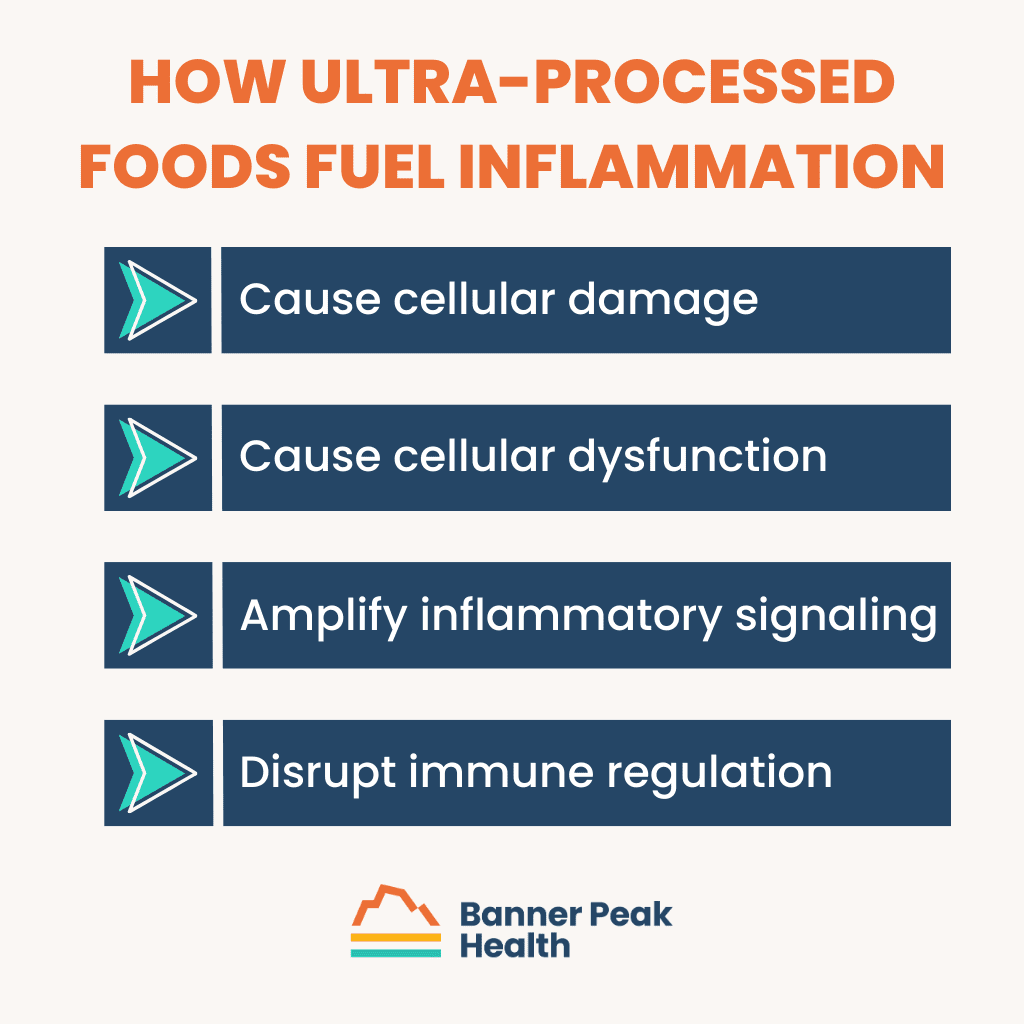
Ultra-processed foods create oxidative stress, generating reactive oxygen species (free radicals). These cause cellular damage and dysfunction, amplifying inflammatory signaling and disrupting immune regulation.
Foods for Anti-Inflammation
The solution involves ingesting foods for anti-inflammation, namely by increasing plant diversity in your diet.
Plants contain phytonutrients that improve gut biodiversity and increase short-chain fatty acid production. Both are necessary for controlling inflammation.
The Power of Color
Anthocyanins, water-soluble flavonoid pigments, give plants their vibrant colors and have powerful anti-inflammatory effects. These compounds make blueberries blue, purple grapes purple, and red peppers red.
Berries contain the highest anthocyanin content among commonly consumed foods. But any brightly pigmented produce delivers these benefits.
Compare a sweet potato to a white potato. The bright orange color signals higher anthocyanin content and greater anti-inflammatory potential.
Dark-colored beans surprised me during my research. Black beans and red beans contain a ton of anthocyanins. The darker the bean, the more anti-inflammatory compounds it contains. Purple cabbage and purple sweet potatoes provide an extra boost of these protective pigments.
When you see bright colors in vegetables and fruits, you’re seeing anthocyanins. Eat the rainbow. It’s that simple.
Turmeric: The Most Studied Anti-Inflammatory Food
Turmeric contains curcumin, a polyphenol compound used in traditional Chinese medicine and Ayurvedic medicine for centuries. It’s probably the most well-studied supplement for reducing inflammation.
Add turmeric to eggs, rice, chicken dishes, or soup. Indian cuisine uses it extensively. However, adding turmeric to food doesn’t match the doses used in clinical studies.
A 2023 meta-analysis examined 66 randomized controlled trials on turmeric and curcumin. Across the board, supplementation decreased CRP, TNF-α, and IL-6 compared to placebo.
These studies used 500–1,000 milligrams of curcumin daily. If you struggle with chronic joint pain despite dietary changes, consider supplementation. Curcumin has very low bioavailability on its own, so look for formulations designed for better absorption.
Thorne makes a quality product using Meriva, a curcumin formulation that’s been widely studied and demonstrated to improve bioavailability. Always consult your doctor before starting any supplement regimen.
Maximizing Absorption
Piperine, a phytochemical in black pepper, acts as a bio-enhancer for curcumin. When you add turmeric to your dishes, include black pepper. The combination boosts bioavailability.
This won’t match the 1,000 milligrams used in clinical studies, but it helps your body absorb more of the curcumin you do consume.
Implementing Foods That Fight Inflammation
To fill your diet with foods that fight inflammation, start by increasing plant variety in every meal. Each plant provides different anti-inflammatory compounds.
For instance, don’t just eat spinach. Add arugula, kale, and other greens. Each features a unique phytonutrient profile.
Focus on deeply colored produce. Choose purple cabbage over green, sweet potatoes over white, and black beans over pinto. The pigments themselves are anti-inflammatory compounds.
Add turmeric to your cooking regularly. Mix it with black pepper for better absorption. If joint pain persists despite dietary changes, discuss curcumin supplementation with your physician.
Today’s Takeaways
Chronic inflammation damages your body even when you can’t see or feel it. The standard American diet promotes inflammatory cascades through processed foods, sugar, and a lack of plant diversity.
Combat inflammation by eating anti-inflammatory foods: colorful produce rich in anthocyanins. Add turmeric with black pepper to your meals. Consider high-quality curcumin supplements like Thorne’s Meriva formulation if you struggle with persistent joint pain.
At Banner Peak Health, we recognize that inflammation underlies many chronic diseases. Making strategic dietary choices today protects your health for decades to come.
The Benefits of Phytonutrients: What Your Nutrition Facts Label Doesn’t Tell You
I’ve spent my career encouraging patients to read the nutrition facts labels on their food, but those labels only tell part of the story.
The most powerful compounds in your broccoli, berries, and Brussels sprouts never appear on any nutrition facts label. These invisible nutrients, called phytonutrients, determine whether your diet protects you from chronic disease.
Phytonutrients: The Hidden Nutrition Gap
Phytonutrients are bioactive compounds found exclusively in plants. Unlike vitamins, you won’t die without them, but there’s a massive difference between not dying and thriving.
These compounds include polyphenols, flavonoids, carotenoids, and phytosterols. If you don’t consume a wide variety of plants, you miss out on nutrients that reduce your risk of cardiovascular disease, diabetes, obesity, and cancer.
How Plants Use Phytonutrients to Protect Themselves (and You)
Phytonutrients are a plant’s defense system. They’re responsible for the colors, flavors, and aromas in fruits, vegetables, whole grains, nuts, and seeds.
These compounds also act as natural pesticides, inhibiting the growth of bacteria and fungi. They help plants cope with drought, extreme temperatures, and UV radiation. When plants face stress, they produce more of these protective compounds.
When humans consume these plant defense mechanisms, they protect us, too. The same compounds that shield plants from UV damage help prevent oxidative stress in our cells, and the natural pesticides that protect plants from pathogens boost our immune system.
Plants can’t run from danger. They’ve developed sophisticated chemical defenses instead. When you eat those plants, you inherit their phytonutrients: their protection.
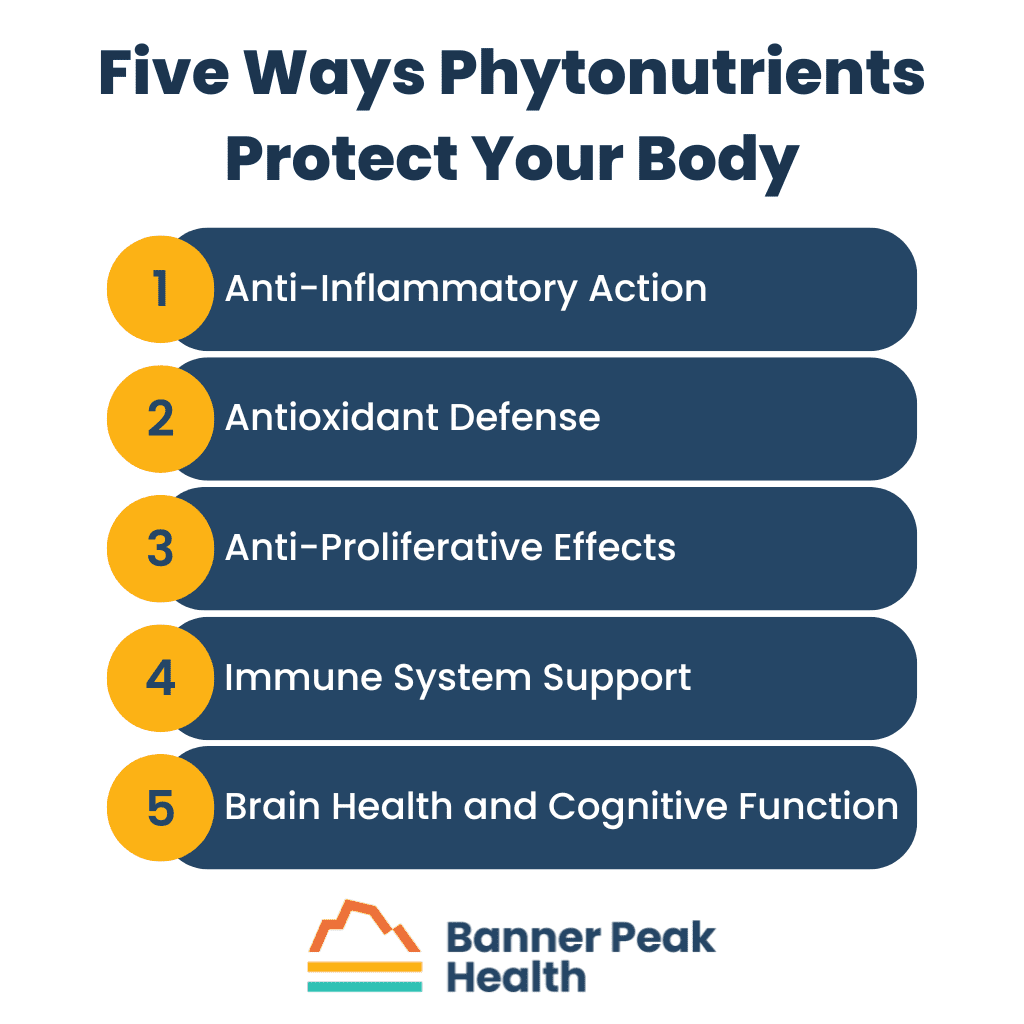
Five Ways Phytonutrients Protect Your Body
Anti-Inflammatory Action
Phytonutrients, particularly polyphenols, suppress the release of pro-inflammatory cytokines like tumor necrosis factor alpha (TNF-α) and interleukin-6 (IL-6). They simultaneously increase anti-inflammatory cytokines like IL-10.
This dual action reduces chronic inflammation at the cellular level.
Antioxidant Defense
Free radicals form naturally as cells age, but environmental factors like smoking, pollution, and UV radiation accelerate their production.
Phytonutrients neutralize these free radicals before they damage your cells. This antioxidant activity protects your DNA, proteins, and cell membranes from oxidative damage.
Anti-Proliferative Effects
Sulforaphane, found exclusively in cruciferous vegetables, promotes apoptosis (programmed cell death) in cancer cells. It arrests cell cycle development, preventing the rapid division that characterizes cancer growth.
Sulforaphane even inhibits angiogenesis, the process tumors use to create new blood vessels for their growth.
Immune System Support
Phytonutrients increase the function of various white blood cells: B cells, T cells, and macrophages, the cells that eat pathogens.
Certain phytonutrients increase our body’s ability to recognize threats and boost macrophage activity, causing them to consume more invaders.
Brain Health and Cognitive Function
Phytonutrients increase brain-derived neurotrophic factor (BDNF) and nerve growth factor (NGF). Both are necessary for synaptic plasticity and neuronal survival, which link to improved learning, memory, and overall cognitive performance.
Beyond “Eat the Rainbow”: Advanced Strategies for Phytonutrient Consumption
Eating colorful foods increases phytonutrient intake. Anthocyanins give foods their vibrant colors, and color diversity equals phytonutrient diversity. But there are more sophisticated approaches.
Preparation Matters
Raw vegetables contain the highest phytonutrient levels. Heat degrades these compounds: higher temperatures and longer cooking times cause more damage.
Steam or lightly sauté your vegetables. Aim for al dente texture: cooked but still firm. If your vegetables are super soft, you’ve reduced their nutritional content.

The Garlic and Onion Hack
When you cut garlic or onions, you trigger the enzyme alliinase. This enzyme creates allicin, which provides many health benefits.
Chop your garlic and onions first, then let them sit for 10–15 minutes before cooking. This waiting period allows the enzyme to produce maximum allicin, increasing antioxidant activity, anti-inflammatory effects, and anti-tumor properties.
Sprouting: The 100X Multiplier
I sprout seeds at home with my kids. It’s simple: put seeds in a jar, add water, and wait. But the science behind it amazes me.
When seeds sprout, their enzymatic activity explodes. They’re trying to grow into plants, which requires massive biochemical changes. These enzymatic processes create higher nutrient levels.
Broccoli is the best example. Mature broccoli contains high sulforaphane levels, but broccoli sprouts contain 10–100 times more sulforaphane than mature broccoli. After just five days of sprouting, you get roughly 10-fold higher content of this anti-carcinogenic compound.
You rarely find sprouts in stores because of shelf stability issues, but making them at home takes minimal effort. Get a sprouting kit (basically mason jars with mesh lids), add seeds and water, rinse daily, and harvest fresh sprouts in two to five days.
Practical Implementation
Don’t reach for supplements. If you’re swallowing a pill to replace a healthy diet, you’re missing the point.
Even if turmeric supplements demonstrate anti-inflammatory effects, taking them while eating processed foods and artificial sweeteners defeats the purpose.
Focus on getting phytonutrients from whole foods first. Add diversity to every meal:
- Get creative with spices: South and East Asian cuisines excel at this. Use garlic, turmeric, cinnamon, ginger, and other spices instead of relying on salt.
- Eat seeds and nuts daily. Add them to your yogurt, blend them in smoothies, mix them into pancake batter, or eat them as snacks.
- Use multiple types of greens: don’t just eat spinach. Add arugula, kale, and other varieties. Each provides different phytonutrient profiles.
Today’s Takeaways
You can’t overemphasize the importance of phytonutrients in your diet. These compounds don’t exist in most people’s nutritional framework, yet they determine whether you merely survive or actually thrive.
Start simple: Increase the quantity and diversity of plants in your diet. Prepare them properly to preserve their phytonutrient content. Try sprouting for a dramatic increase in nutrient density.
Those invisible compounds on your food label might be the most important nutrients you consume.