
Can you prevent cancer? Not exactly.
I can’t promise you won’t get cancer. We all know someone who did everything right and still got the diagnosis.
But 40–50% of all cancers are preventable through lifestyle and environmental modifications. For certain cancers, that number climbs even higher. Quitting smoking can prevent 80% to 90% of lung cancers. Avoiding UV radiation can prevent 70% of skin cancers.
Learning how to prevent cancer means shifting the odds in your favor, not chasing guarantees.
You can’t change your genetics or early life exposures, but you can control what you do today. Focus on what’s within your power and let go of the rest.
Understanding Germline vs. Somatic Mutations
People often say, “Cancer doesn’t run in my family, so I’m safe.” That isn’t how cancer develops.
Germline mutations are the ones you’re born with. Having a germline mutation doesn’t mean you’ll inevitably develop cancer; it means you’re at higher risk for certain cancers. Only 5–10% of cancers come from these inherited mutations.
Somatic mutations occur after birth due to environmental exposures and lifestyle factors. UV light hits your skin a million times, damages the DNA in a cell, and that cell starts multiplying abnormally. That’s a somatic mutation, and that’s how most cancers develop.
This is why lifestyle and environmental factors matter for cancer prevention. Your genes are only one part of the story.
The Truth About “Cancer-Fighting” Foods and Supplements
The internet is full of silver bullets: cancer-fighting superfoods, miracle supplements, exotic plants from distant lands, etc. We’re all looking for an easy answer.
Can you prevent cancer with a single food, supplement, or detox? No. Preventing what you can requires sustained effort: don’t smoke, move your body, maintain a healthy weight, eat whole foods, limit alcohol, and see your doctor.
If you want to take supplements, focus on ones that support mitochondrial health: a B-complex vitamin with methylated folate, a quality fish oil, and possibly magnesium. That’s about it.
Why Cellular Health Is Central to Cancer Prevention
Let me explain the why behind these cancer-preventing recommendations. I’ve included some excerpts from my 11-year-old son’s biology project as a visual aid.


Your cells are tiny factories. The mitochondria generate energy. Your DNA contains the blueprint. When the blueprint gets damaged, cells can produce abnormal copies, and that’s how cancer begins.
As I stated above, only 5–10% of cancers are purely genetic. The rest come from environmental factors and lifestyle choices that damage your DNA over time.
The culprit is oxidative stress. Your body constantly produces reactive oxygen species (free radicals) that can interact directly with your DNA and cause mutations. Your cells have repair mechanisms, enzymes like superoxide dismutase and catalase, that clean up this damage. But when the damage overwhelms your cells’ capacity to repair, mutations accumulate.
Everything I’m about to recommend comes back to this principle: protect your DNA by reducing oxidative stress and supporting your cells’ natural repair mechanisms.
The Number One Way to Prevent Cancer
Don’t smoke. Or, if you smoke, quit.
This is probably the single most impactful action you can take to reduce your cancer risk.
How to Prevent Cancer Through Diet
Ultra-processed foods (classified as NOVA stage four) damage mitochondrial health. When your mitochondria can’t function properly, they can’t help your cells clear reactive oxygen species. The damage accumulates.
Here’s what works:
- Whole foods, whole grains, fruits, and vegetables form the foundation of a cancer-preventive diet.
- A good color spectrum on your plate provides a diverse array of phytonutrients.
- Fish provides omega-3 fatty acids, which help reduce inflammation.
- Green tea may stabilize ATP synthesis at the mitochondrial level.
- The Mediterranean diet has strong evidence supporting its role in cancer prevention.
Avoid burning your food. Charred meat and overheated oils create volatile organic compounds that increase oxidative stress. When frying, use oils with higher flash points, like peanut oil rather than olive oil.
Environmental Exposures That Increase Cancer Risk
Understanding how to prevent cancer means knowing which environmental factors damage your cells. Minimize exposure to these three categories.
Ionizing Radiation
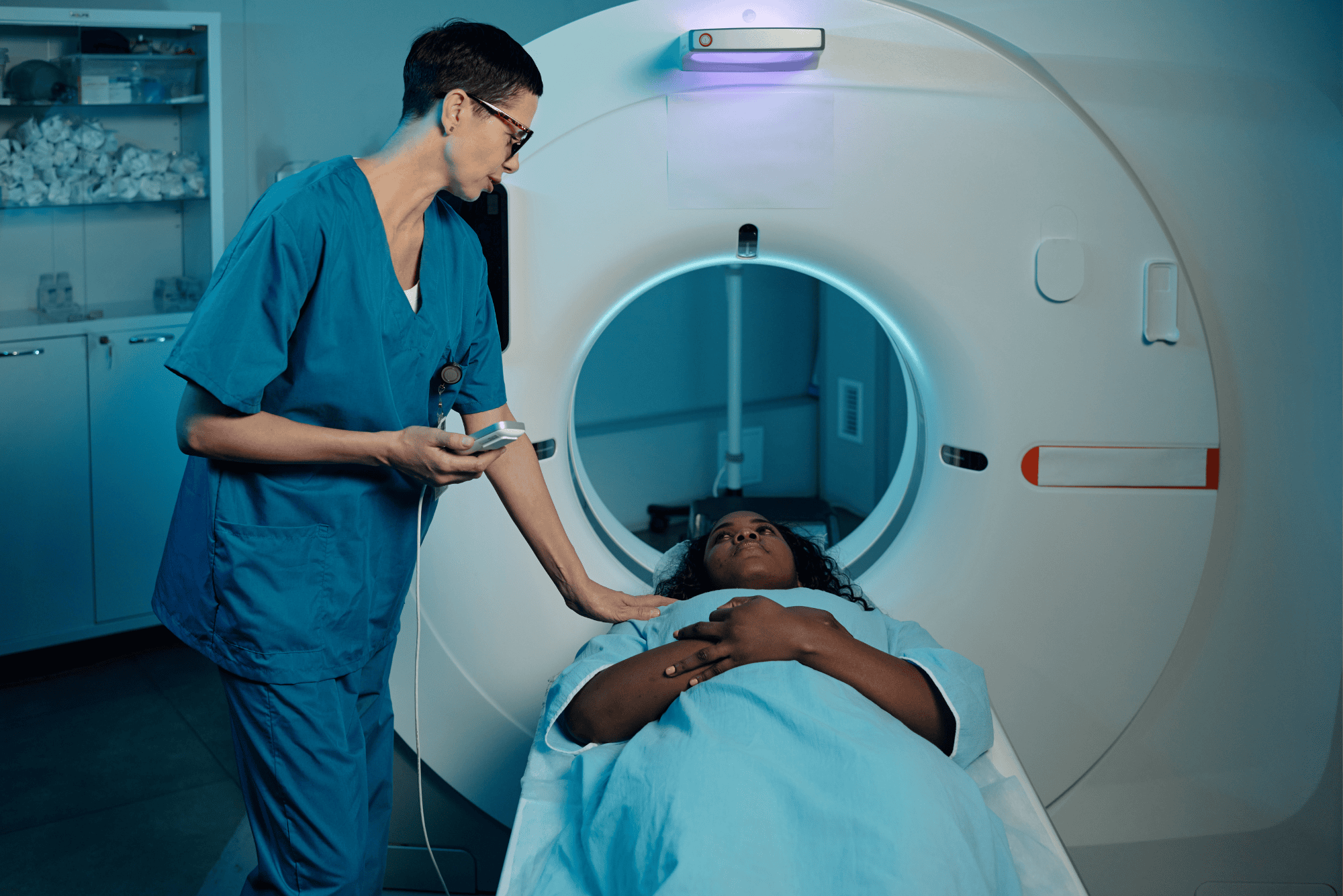
Limit unnecessary X-rays and CAT scans. If you have a choice between a CAT scan and an MRI, choose the MRI when appropriate. Ionizing radiation directly disrupts DNA.
Endocrine Disruptors
Microplastics, PFAs, pesticides, and Teflon all cause oxidative stress and inflammation. These endocrine disruptors generate reactive oxygen species that damage DNA and cause mutations.
The plastics are already in our environment. We can’t undo that. But to stop certain preventable cancers, we can stop drinking from plastic water bottles and reduce our exposure where possible.
Air Pollution
California banned indoor wood-burning stoves for a good reason. Pay attention to spare-the-air days. Keep plants indoors that filter volatile organic compounds. Use a HEPA filter in your home, and monitor your indoor air quality.
How to Prevent Cancer With a Vaccine
The HPV vaccine prevents cervical cancer. The hepatitis B vaccine prevents liver cancer. These vaccines protect against viruses that cause cancer, so they’re a direct form of cancer prevention.
How to Prevent Skin Cancer
Wear sunscreen. But here’s the catch: many non-mineral sunscreens contain chemicals that get absorbed into your skin, potentially causing oxidative stress in other ways.
A compound called bemotrizinol is approved for use in sunscreen in other countries but not yet in the US. It doesn’t get absorbed into your skin. If you can find sunscreen with this ingredient, you’ll protect yourself from the sun without absorbing potentially cancer-causing chemicals.
How to Stop Cancer: Cut Down on Alcohol
Alcohol is an underappreciated cancer risk factor. Even moderate drinking increases the risk of breast, colorectal, and esophageal cancer. The relationship is dose-dependent: less is better than more, and none is better than some.
How to Prevent Cancer Through Physical Activity
Exercise has protective effects outside of weight control. It decreases insulin resistance, boosts your natural killer cells (which help remove abnormal cells that might become cancerous), and reduces inflammatory cytokines.
Maintain a Healthy Weight to Prevent Cancer
Excess fat causes hormonal abnormalities that can compromise your mitochondrial health. Much of this relates to cortisol, the stress hormone. Chronic stress has the same effect, elevating cortisol and damaging cellular function, potentially leading to cancer.
How to Know When a Cancer Symptom Warrants Concern
Social media and “Doctor Google” have created an epidemic of health anxiety. Type in “headache,” and you’ll find brain tumor listed as a possibility. This fear itself is harmful, as the anxiety elevates cortisol and damages the very mitochondria you’re trying to protect.
When you hear hoofbeats, look for horses, not zebras. Social media amplifies rare conditions far beyond their actual prevalence.
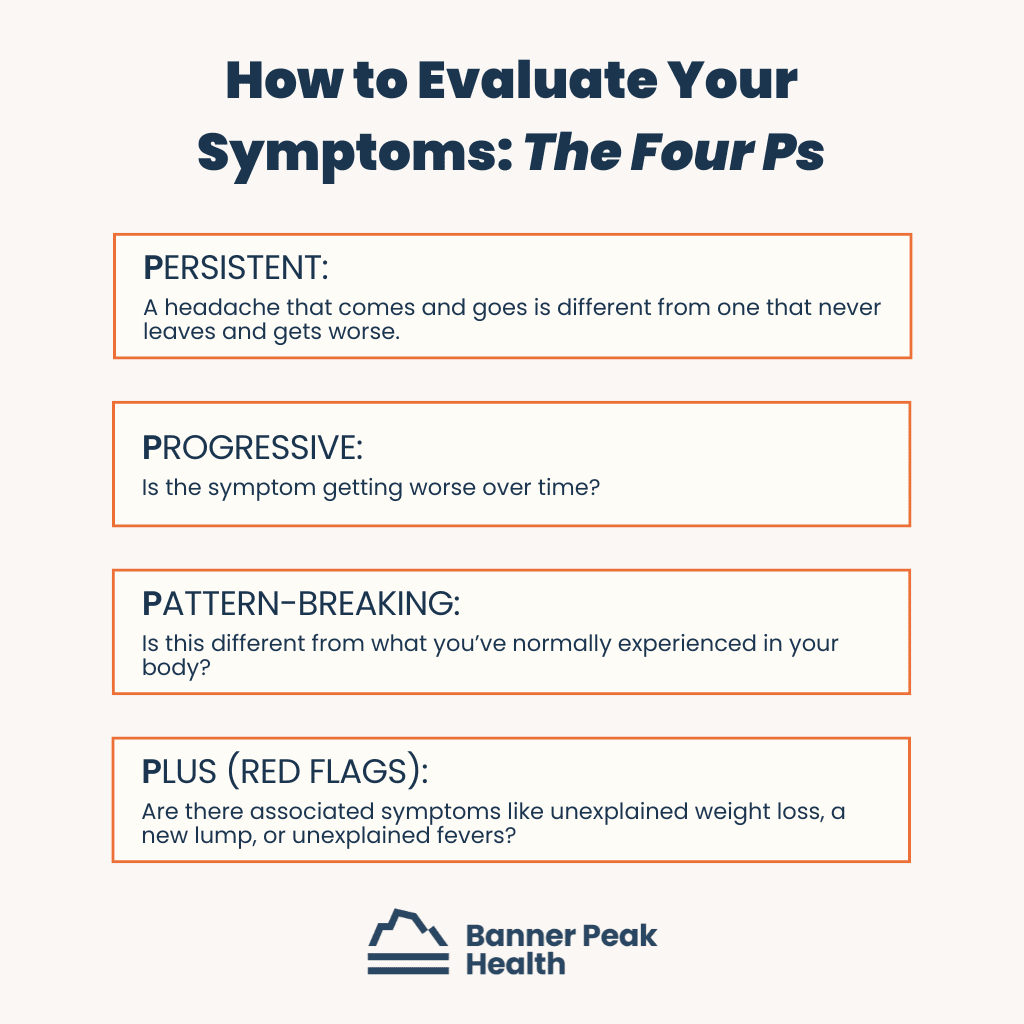
Use the four Ps to evaluate your symptoms:
- Persistent: A headache that comes and goes is different from one that never leaves and gets worse.
- Progressive: Is the symptom getting worse over time?
- Pattern-breaking: Is this different from what you’ve normally experienced in your body?
- Plus (red flags): Are there associated symptoms like unexplained weight loss, a new lump, or unexplained fevers?
Context matters. Feeling tired after a stressful week with poor sleep is different from feeling exhausted after a vacation when you’ve been resting well.
Don’t go down the rabbit hole at 2 a.m. If you’re worried about a symptom that may be indicative of cancer, write it down, schedule an appointment with your doctor, and go to bed. Staying up late researching rare diseases will only further damage your mitochondrial health.
Cancer Screenings: Early Detection Matters
Participate in standard cancer screenings based on your age and risk factors:
- Breast cancer screening begins at age 40
- Colorectal cancer screening begins at age 45, possibly earlier based on risk factors
- Cervical cancer screening frequency may decrease with HPV vaccination and improved testing
- Skin checks are especially important if you have many pigmented moles or a family history of melanoma
- Lung cancer screening applies to those with a smoking history
Consider genetic testing if you have a family history of cancer. And ask about cell-free DNA testing, which we offer at Banner Peak Health for cancers that are difficult to detect early.
How Not to Get Cancer: Focus on the Basics
Information overload is harmful. One day, coffee is good for you; the next day, it’s bad. This constant churn of conflicting advice adds stress, raises cortisol, and compromises your mitochondrial health.
When it comes to stopping preventable cancers, stick with the basics:
- Don’t smoke
- Move your body
- Maintain a healthy weight
- Eat more plants and whole foods
- Avoid ultra-processed foods
- Cut down on alcohol
- Get your screenings
- Build a strong relationship with your doctor
Think long term. Be kind to yourself when you slip up. One bad meal won’t cause cancer; sustained patterns over years will.
Set specific, achievable goals. Instead of “be more active,” try “walk for 10 minutes before lunch every day.” Small habits compound into big rewards.
Today’s Takeaways
You can’t guarantee you’ll stop cancer. But you can do everything within your power to prevent it.
Remember, your DNA is your body’s blueprint. If the blueprint gets damaged, the factory starts making defective products. Diet, exercise, and avoiding environmental toxins all protect that blueprint.
At Banner Peak Health, we help patients develop personalized strategies for how to prevent cancer. We offer genetic testing, cell-free DNA screening, and comprehensive guidance on lifestyle modifications. Schedule an appointment to discuss cancer prevention based on your individual risk factors and health history.