
According to the World Health Organization, no amount of alcohol consumption is safe.
This declaration marks a change in how we think about drinking. For decades, we operated under the assumption that moderate drinking posed little risk. The new alcohol guidelines challenge that assumption head-on.
What the WHO Alcohol Guidelines Actually Say
The WHO’s position is based on large-scale epidemiological data, particularly the Global Burden of Disease studies from 2016 and 2020. These analyses showed that the risk of all-cause mortality and cancer rises with increasing alcohol consumption, with the lowest risk level at zero drinks per day.
This finding was especially pronounced in young adults. For those under 40, any alcohol consumption carried a higher risk than abstaining entirely.
Why the elevated risk for younger people? It isn’t primarily about cancer or liver disease. The data reflects injury risk: poor judgment and decision-making while under the influence lead to accidents and harm.
One large study did show a J-shaped curve for those over 40, suggesting minimal consumption might carry a lower risk than complete abstention in that age group. But when researchers put all the data together, the net population-level effect of alcohol was shown to be harmful.
How CDC Alcohol Guidelines Differ
The CDC takes a slightly different approach. Their low-risk drinking guidelines recommend no more than one drink per day for women and two for men. They also define binge drinking and heavy drinking thresholds.
The distinction matters. The CDC’s guidelines aim to help clinicians and the public identify unhealthy drinking patterns, while the WHO focuses squarely on evidence that even small amounts increase cancer risk and other health problems.
Both perspectives have merit. How do you apply population-level data to your individual circumstances?
Putting the New Alcohol Guidelines in Context
Large institutions can make blanket statements. Making those statements relevant to your daily life requires more nuance, which is where I spend much of my time with patients.
Consider your personal risk factors. We know alcohol consumption has an association with breast cancer risk in women. If you’re a woman over 40 with a family history of breast cancer, you need to weigh this carefully.
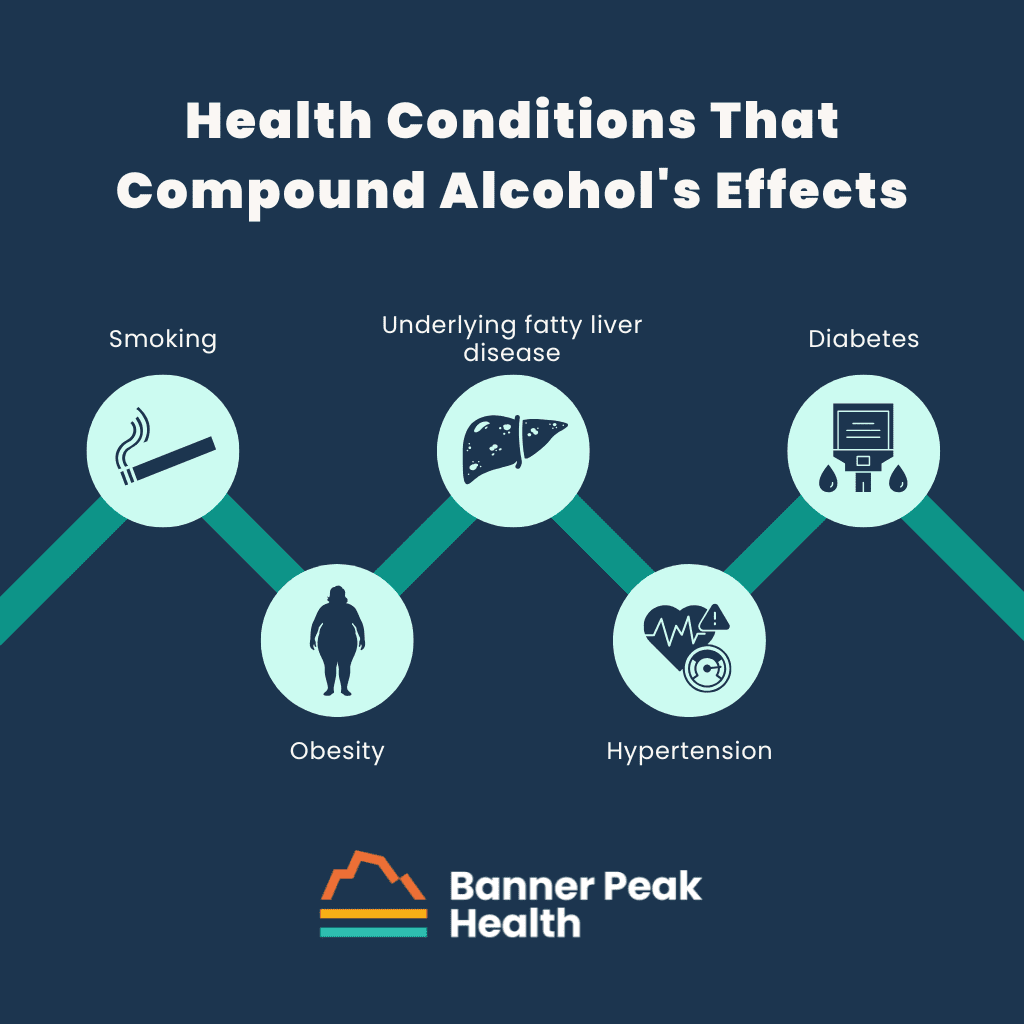
Other conditions that compound alcohol’s effects include smoking, obesity, underlying fatty liver disease, hypertension, and diabetes. Each condition adds another layer of risk.
If you don’t smoke, aren’t obese, and have no underlying conditions, your risk from five or six drinks per week is much lower than that of someone with multiple risk factors. The guidelines provide population-level guidance, but I help my patients interpret that guidance for their specific situation.
The Red Wine Myth
Remember when researchers said a glass of red wine was good for your heart? That advice deserves a second look.
Those early studies had confounding factors. People who drank a little red wine each night typically followed a Mediterranean diet and sat down for meals with family and friends.
The protective effect likely came from the diet and social connection, not the wine itself. All those olive oils, fish, and vegetables did the heavy lifting. The wine was just along for the ride.
Assessing Your Own Drinking Habits
If you’re concerned about your drinking, start with a drinking diary. Track when, where, and how much you drink. Identify triggers and patterns.
You might notice moderate drinking during the week, but you drink more heavily in certain social settings or with particular groups of friends. That awareness creates an opportunity for change.
Screening tools exist that assess drinking risk, but honest self-reflection is often most valuable. Take a step back and think critically about your drinking behaviors. What patterns emerge?
The Social Reality of Alcohol
Alcohol is woven into our culture: celebrations, traditions, and social gatherings. The WHO alcohol guidelines don’t change that.
Social connection and cohesion are crucial for mental health and overall well-being. Skipping every wedding toast or avoiding all social events where alcohol is present could harm you.
The key is context. Big celebrations don’t happen every week. Participating in a toast at a wedding is different from drinking heavily every weekend.
Recognize what drinking is associated with in your life and put it in the context of your day-to-day behaviors. Don’t overlook the growing market of low-alcohol and no-alcohol alternatives. Gen Z drinks less than previous generations, and the beverage industry has responded with options that didn’t exist a decade ago.
What Future Research May Reveal About the New Alcohol Guidelines
Younger generations’ lower alcohol consumption is a natural experiment. Over the next 20–40 years, we’ll see how abstaining or drinking less affects their cancer and cardiovascular disease risk.
Teasing out the variables won’t be easy. If someone abstains from alcohol, do they maintain the same level of social connection as their drinking peers? How much does loneliness factor into overall health outcomes?
These questions will shape future low-risk drinking guidelines. The interaction between alcohol consumption, social connection, and long-term health remains an active area of investigation.
Today’s Takeaways
Current low-risk drinking guidelines reflect scientific progress. According to the data, from a purely physiological standpoint, alcohol doesn’t help anything.
But you aren’t a data point. You’re an individual with your own risk factors, social circumstances, and health goals.
At Banner Peak Health, we can discuss what these WHO alcohol guidelines and CDC alcohol guidelines mean for you specifically. Consider your family history, current health conditions, and lifestyle factors. Keep a drinking diary if you want concrete data about your own patterns.
Today’s low-risk drinking guidelines give us a framework. Apply that framework to your life in a way that balances your physical health with the social and emotional aspects of your well-being.